In high-precision industries such as biopharmaceuticals, food processing, and environmental testing, filtration is not just a process—it’s a critical control point. Across Australia, laboratories and production facilities are increasingly adopting advanced depth filters to manage complex, particle-heavy solutions efficiently.
With rising demand for scalable and contamination-free workflows, Depth Filters in Australia from Copure have become essential for achieving reliable clarification, improved yields, and consistent product quality.
Understanding Depth Filtration
Depth filtration differs fundamentally from surface filtration. Instead of trapping particles only on the surface, depth filters capture contaminants throughout a multi-layered matrix.
This structure enables:
- Higher dirt-holding capacity compared to membrane filters
- Improved throughput for turbid solutions
- Reduced filter change frequency, lowering operational downtime
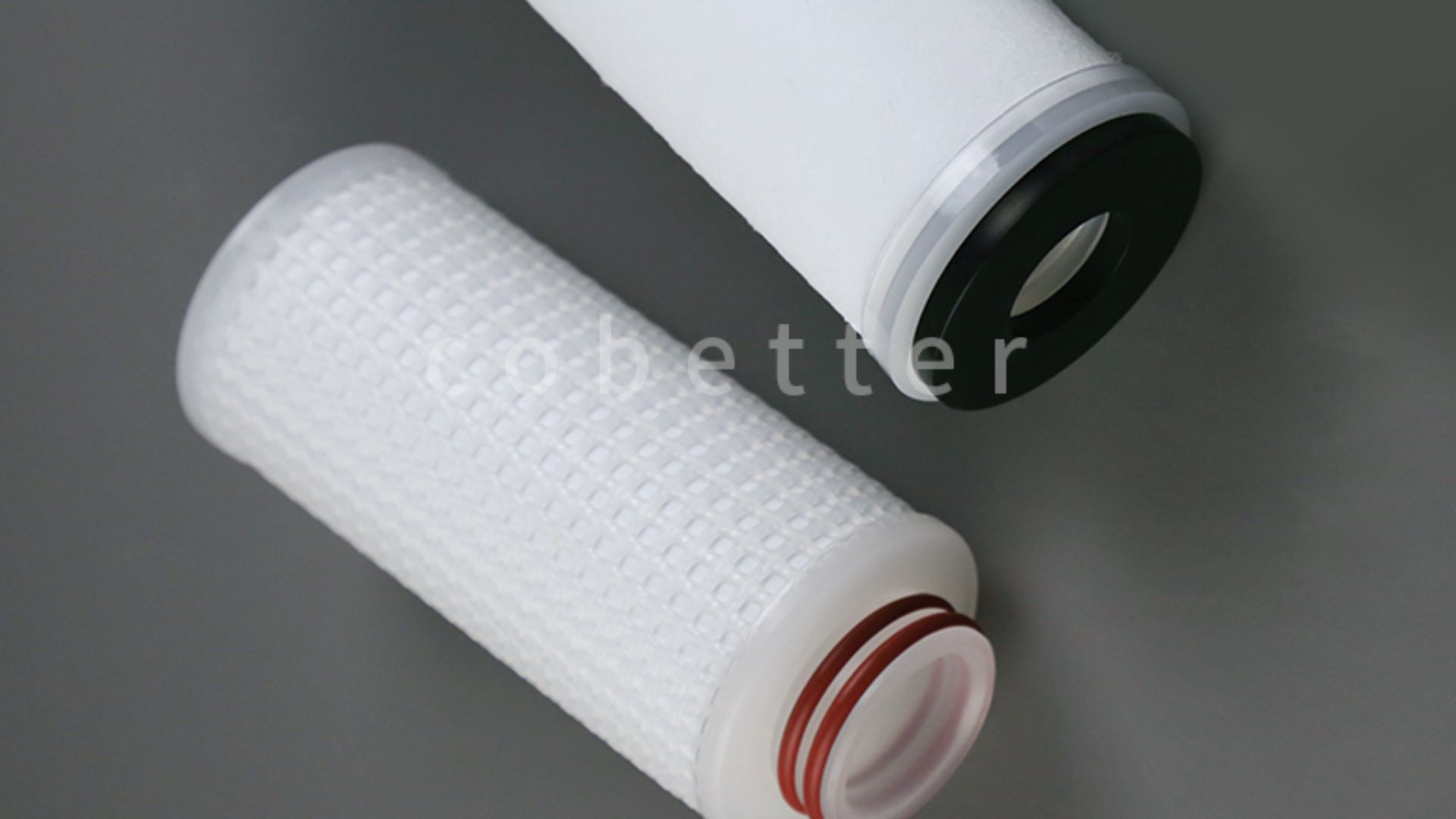
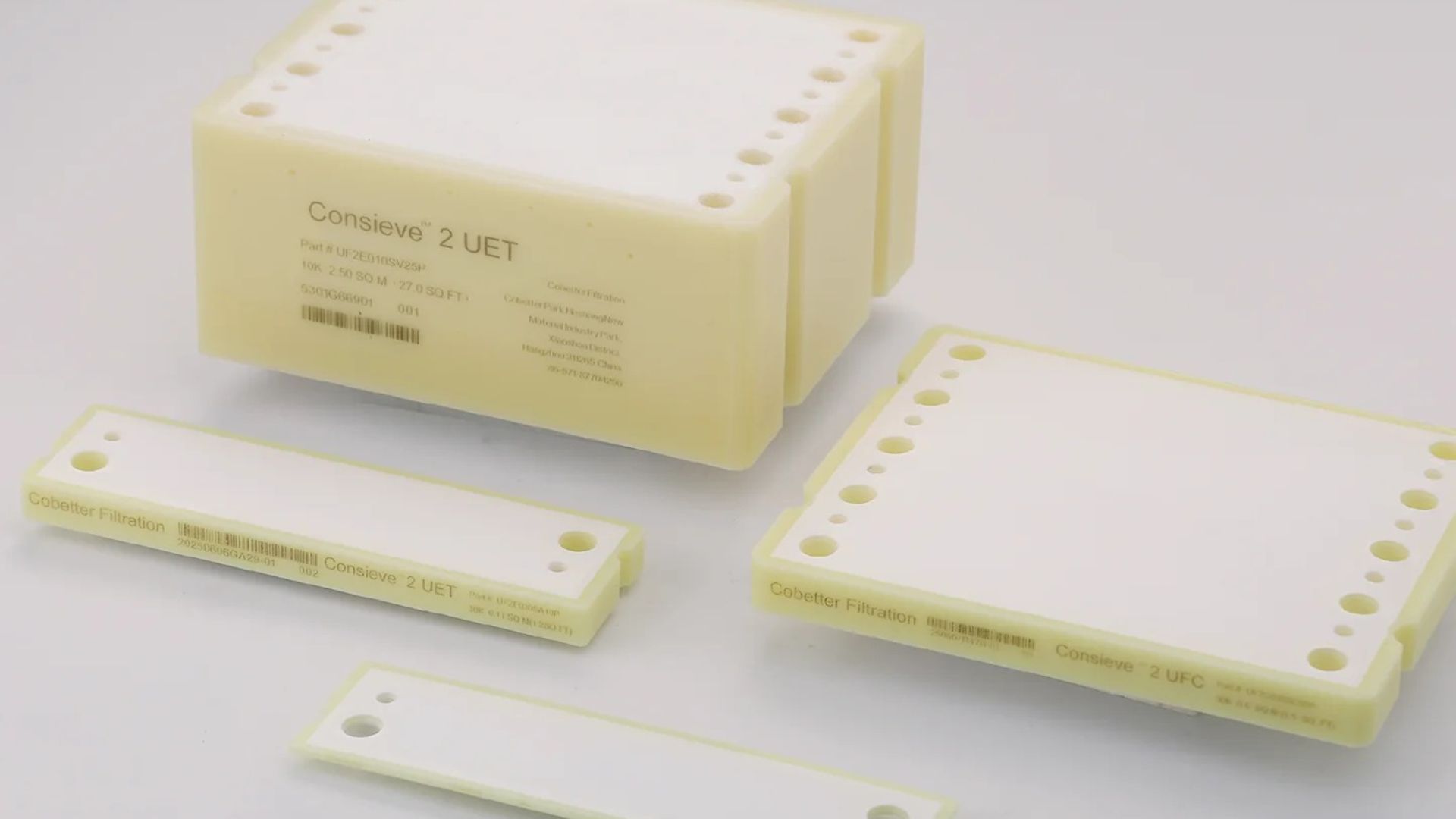
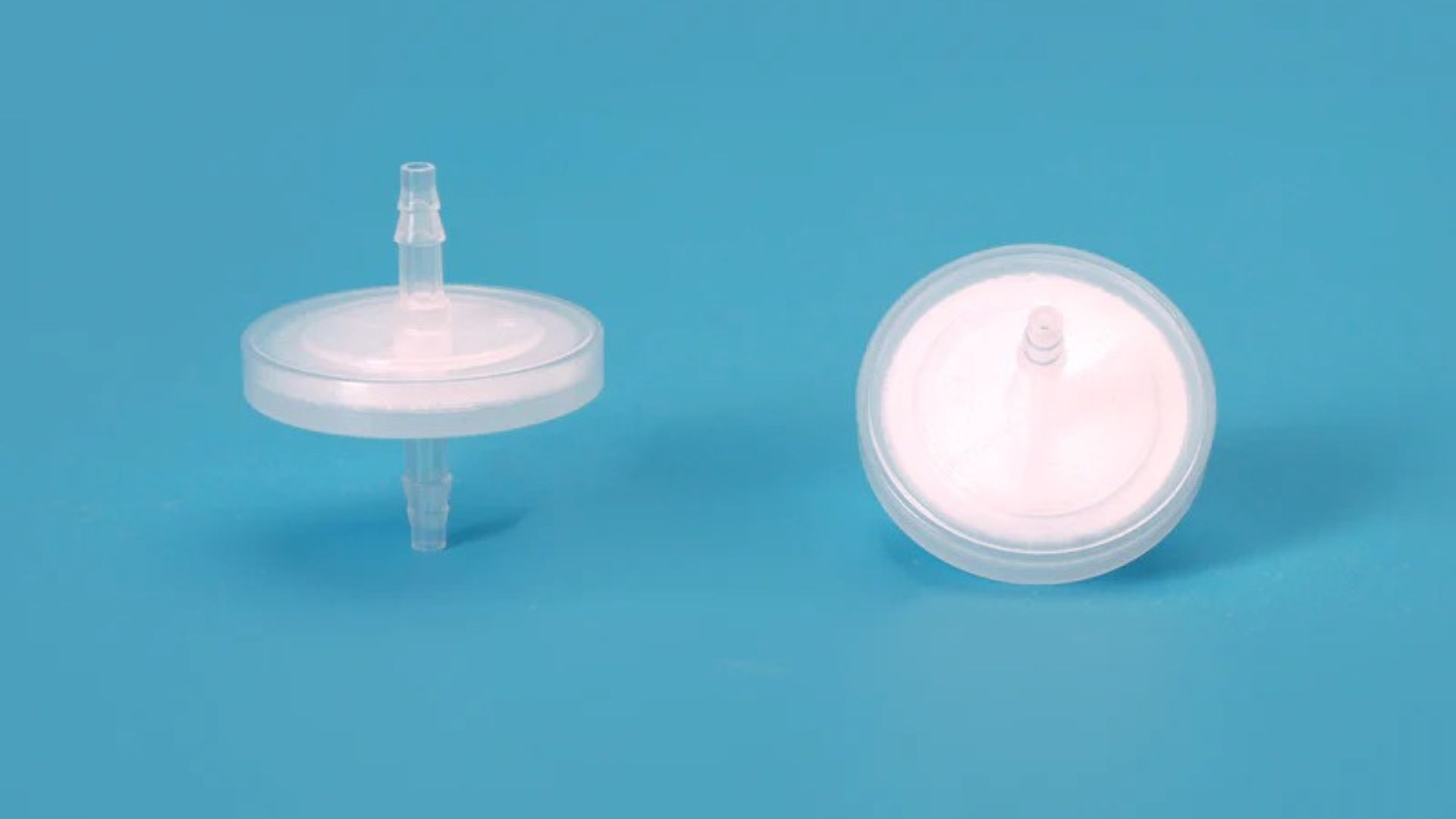
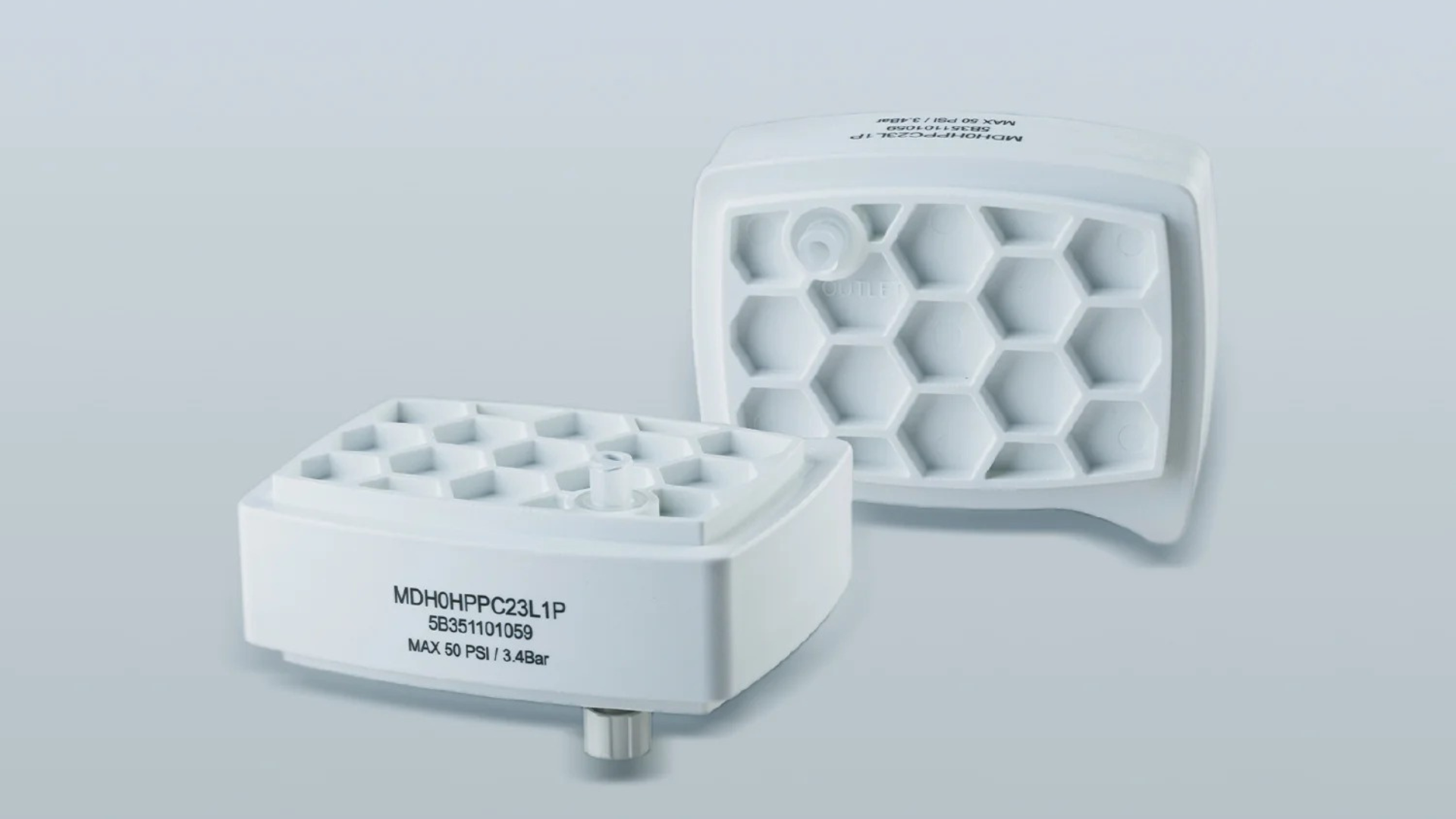
Modern depth filters, such as Claricap and Roheap series from Copure, are engineered using cellulose-based matrices combined with inorganic filter aids. This hybrid construction creates a three-dimensional internal network that enhances both particle retention and flow efficiency.
Why Depth Filters Are Gaining Traction in Australia
Australia’s life sciences and industrial sectors are experiencing steady growth, particularly in biologics, water treatment, and specialty chemicals. These sectors often deal with:
- High particulate loads
- Viscous intermediates
- Sensitive biological materials
Traditional filtration methods struggle under these conditions. Depth filtration, however, offers a scalable solution that aligns with current industry needs.
Key adoption drivers include:
- Stringent regulatory standards for purity and safety
- Shift toward single-use technologies
- Demand for scalable filtration systems from lab to production
Advanced Design: The Science Behind Performance
High-performance depth filters are designed with a gradient pore structure. As fluid passes through the filter:
- Larger particles are captured in the outer layers
- Smaller particles are retained deeper within the matrix
This staged filtration significantly improves efficiency while maintaining flow rates.
For example, filters like the Claricap M02 utilise:
- High-purity cellulose fibres for structural integrity
- Diatomaceous earth to enhance adsorption and permeability
- Synthetic resins to improve wet strength and introduce charge-based retention
This combination allows the filter to capture both particulate and colloidal impurities effectively.
High Capacity Meets High Precision
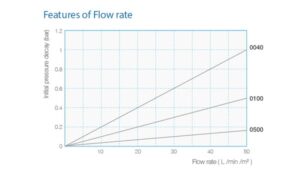
One of the defining advantages of depth filters is their exceptional contaminant-holding capacity. Compared to conventional filters, depth filters can process significantly larger volumes before reaching capacity limits.
In practical terms, this means:
- Fewer interruptions during filtration cycles
- Lower consumable costs over time
- Improved process efficiency
Additionally, low levels of extractables and endotoxins make these filters suitable for high-purity applications, including biopharmaceutical production.
Scalability: From Lab to Production
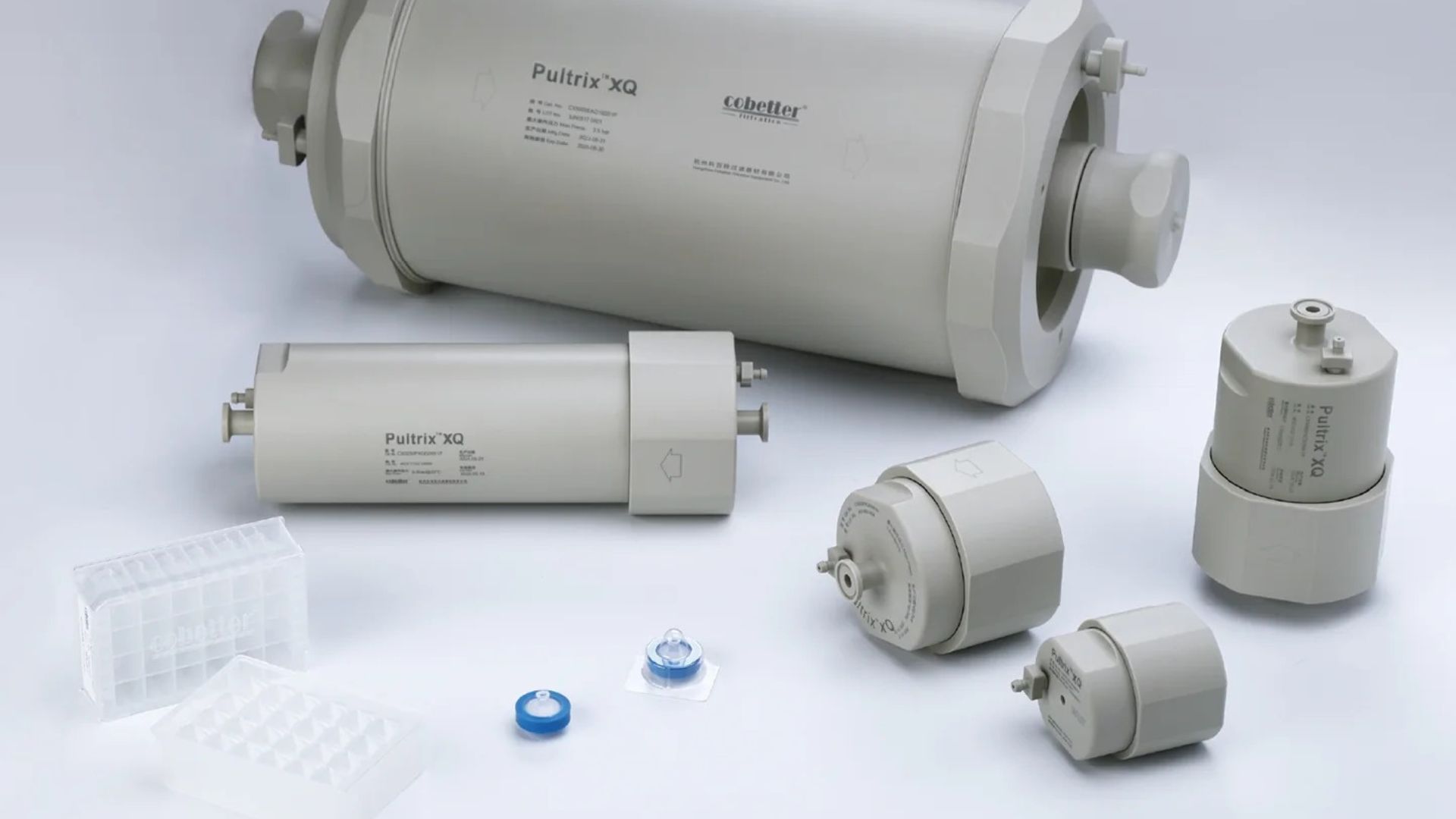
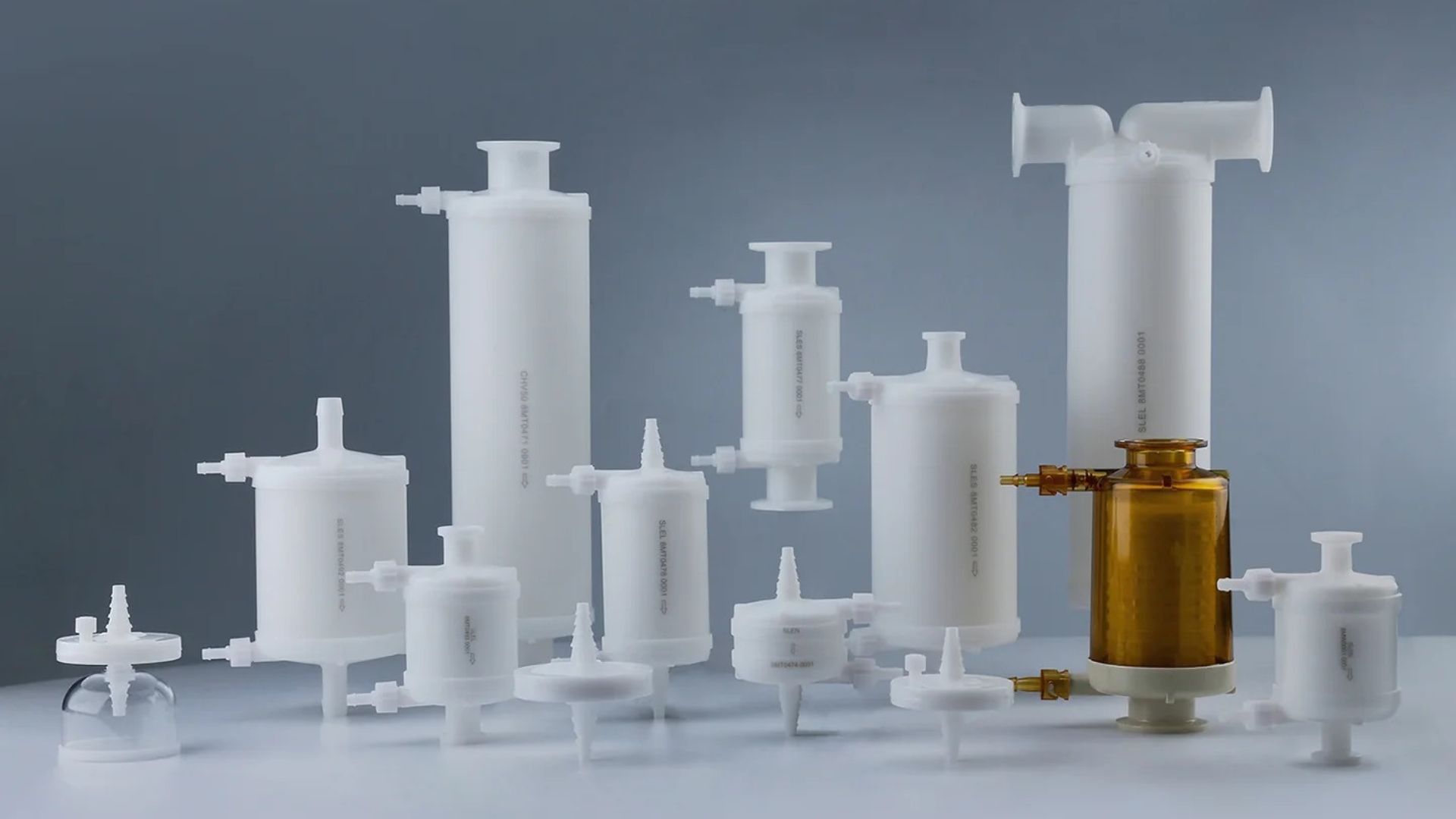
A major advantage of modern depth filtration systems is their scalability. Solutions like lab-scale capsules can seamlessly transition into pilot and production-scale systems without compromising performance.
This linear scale-up design ensures:
- Consistent filtration behaviour across volumes
- Reduced need for process revalidation
- Faster time-to-production
For laboratories in Australia, this is particularly valuable when moving from R&D to commercial manufacturing.
Single-Use Systems: A Cost-Efficient Approach
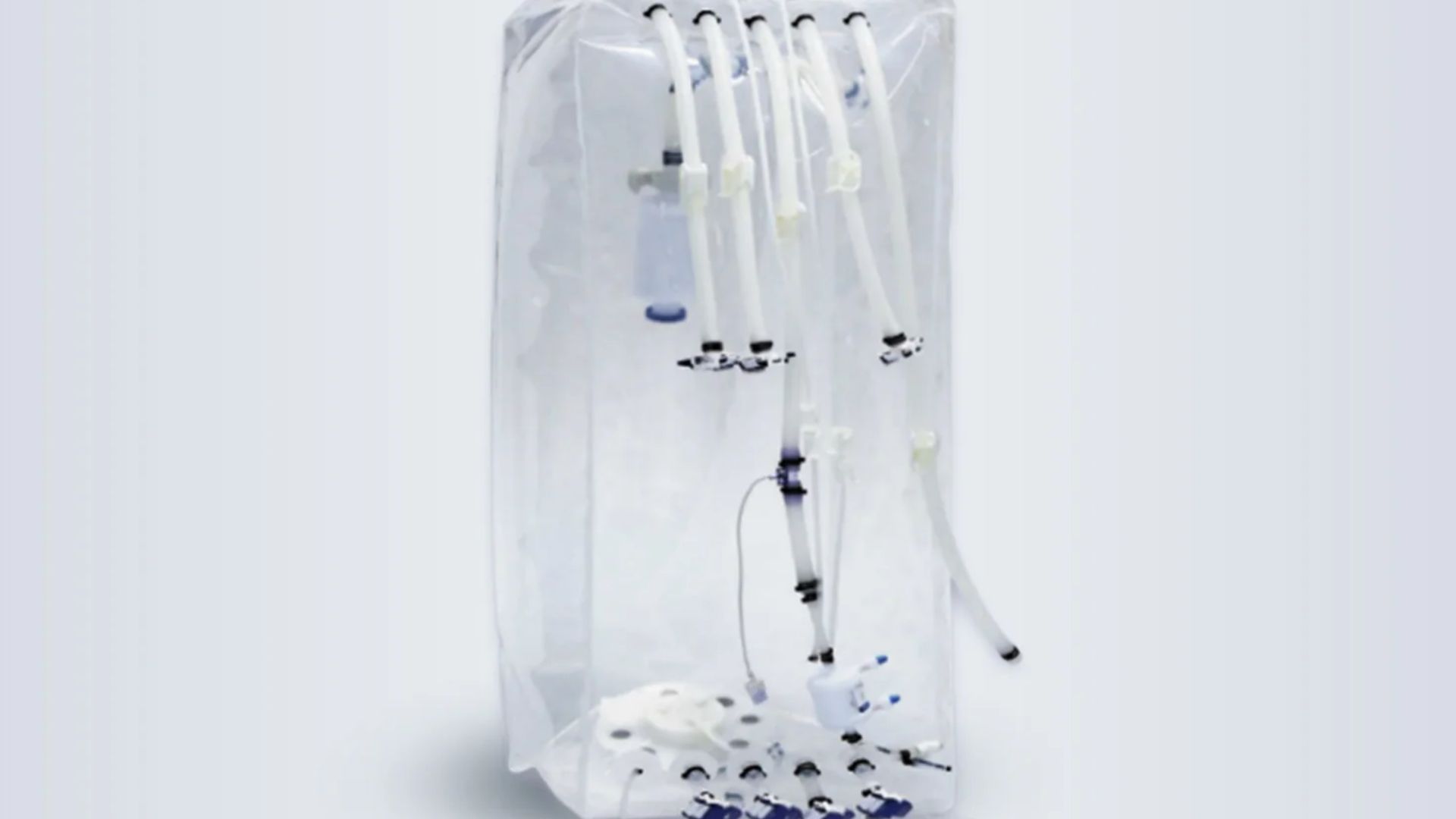
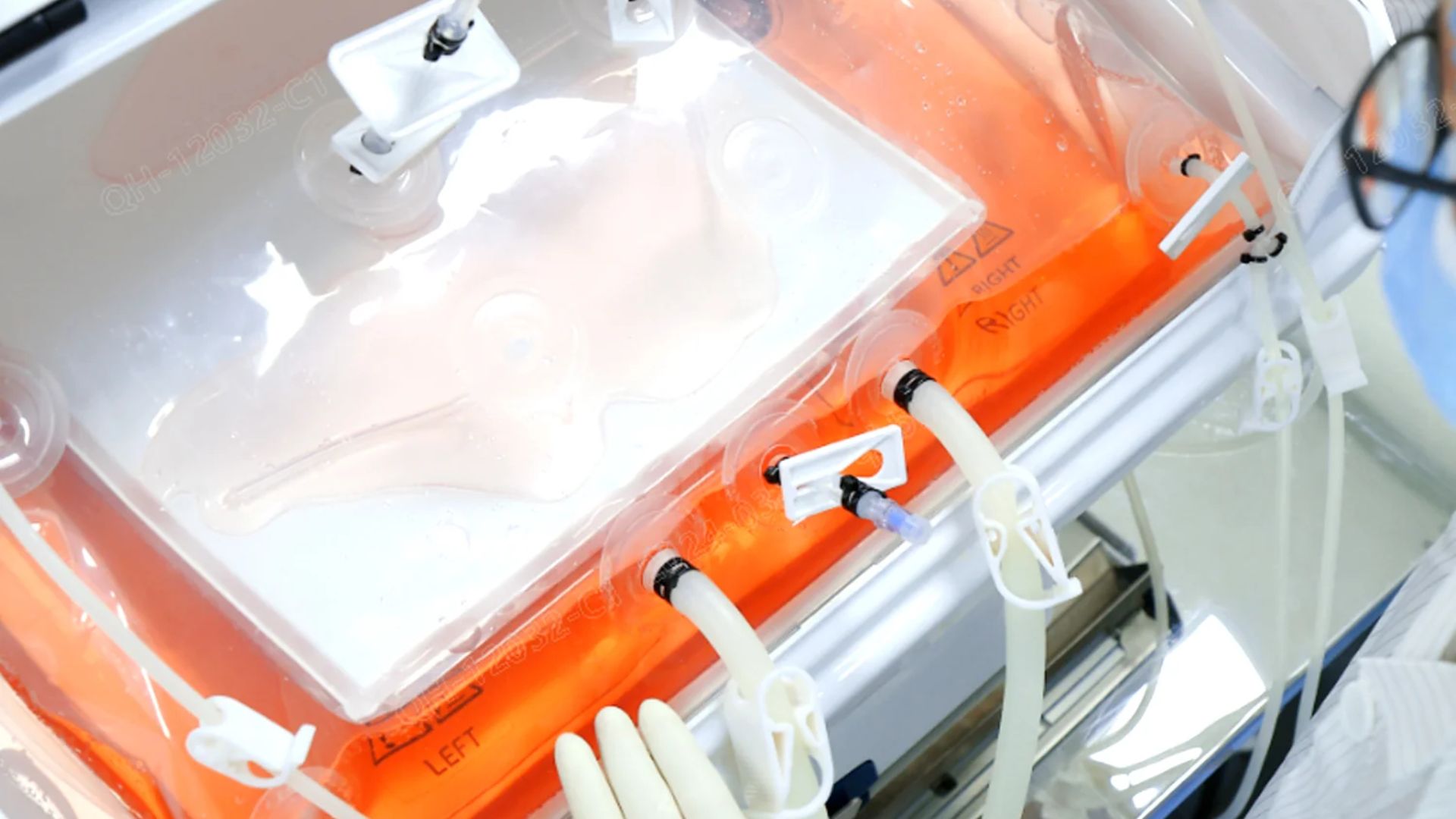
The shift toward single-use filtration technologies is transforming how facilities operate. Depth filter capsules are often designed for single-use applications, eliminating the need for:
- Cleaning-in-place (CIP) systems
- Validation of cleaning processes
- Risk of cross-contamination
This not only reduces operational complexity but also leads to measurable cost savings.
Application Areas Across Industries
Depth filters are highly versatile and are widely used across multiple sectors in Australia:
Biopharmaceuticals
- Clarification of cell culture and fermentation broths
- Filtration of enzymes, vaccines, and biologics
Food & Beverage
- Removal of haze and particulates
- Clarification of viscous liquids
Environmental Testing
- Treatment of turbid water samples
- Removal of suspended solids
Pharmaceuticals
- Decolorisation and impurity removal
- Filtration of serum and blood products
Their ability to handle complex and high-load solutions makes them indispensable in modern workflows.
Performance Under Demanding Conditions
Advanced depth filters are engineered to operate under challenging conditions, including:
- High differential pressures
- Variable flow rates
- Sterilisation cycles
For instance, robust designs can withstand:
- Autoclave sterilisation cycles
- Reverse pressure during backwash conditions
- High operating pressures without structural compromise
This ensures process reliability and reduces the risk of filtration failure.
Improving Yield and Process Efficiency
In high-value production environments, product loss during filtration can significantly impact profitability. Depth filters are designed to:
- Maximise product recovery
- Minimise hold-up volume
- Maintain consistent flow dynamics
This leads to higher overall yields, especially in biologics and enzyme processing.
Choosing the Right Depth Filter in Australia
Selecting the right filtration system depends on several factors:
- Nature of the feed solution
- Particle size distribution
- Required throughput
- Regulatory requirements
Working with experienced suppliers ensures access to:
- Application-specific filter media
- Scalable solutions
- Technical support for optimisation
The Future of Depth Filtration
As industries continue to demand higher efficiency and purity, depth filtration technologies are expected to evolve further. Innovations will likely focus on:
- Enhanced adsorption capabilities
- Improved sustainability through material optimisation
- Greater integration with automated systems
For Australian laboratories and manufacturers, investing in advanced depth filtration is not just about meeting current requirements—it’s about future-proofing operations.
Conclusion
Depth filtration has become a cornerstone of modern separation processes. With its ability to handle complex fluids, improve efficiency, and scale seamlessly, it is redefining filtration standards across industries.
For organisations seeking reliable Depth Filters in Australia, solutions like Claricap and Roheap series by Copure provide a powerful combination of performance, scalability, and cost-efficiency—making them an essential part of today’s high-precision workflows.
For Further Enquiry Contact- sales@copure.com.au