Filtration sits at the heart of laboratory accuracy. Whether it’s preparing samples for chromatography, ensuring sterility in microbiology, or removing particulates from process streams, membrane filters define data quality. As demand for precision grows, so does the need for reliable membrane filters Australia laboratories can trust.
From analytical labs to biopharma facilities, the shift is clear: filtration is no longer a routine step—it’s a performance driver.
Why Membrane Filters Matter More Than Ever
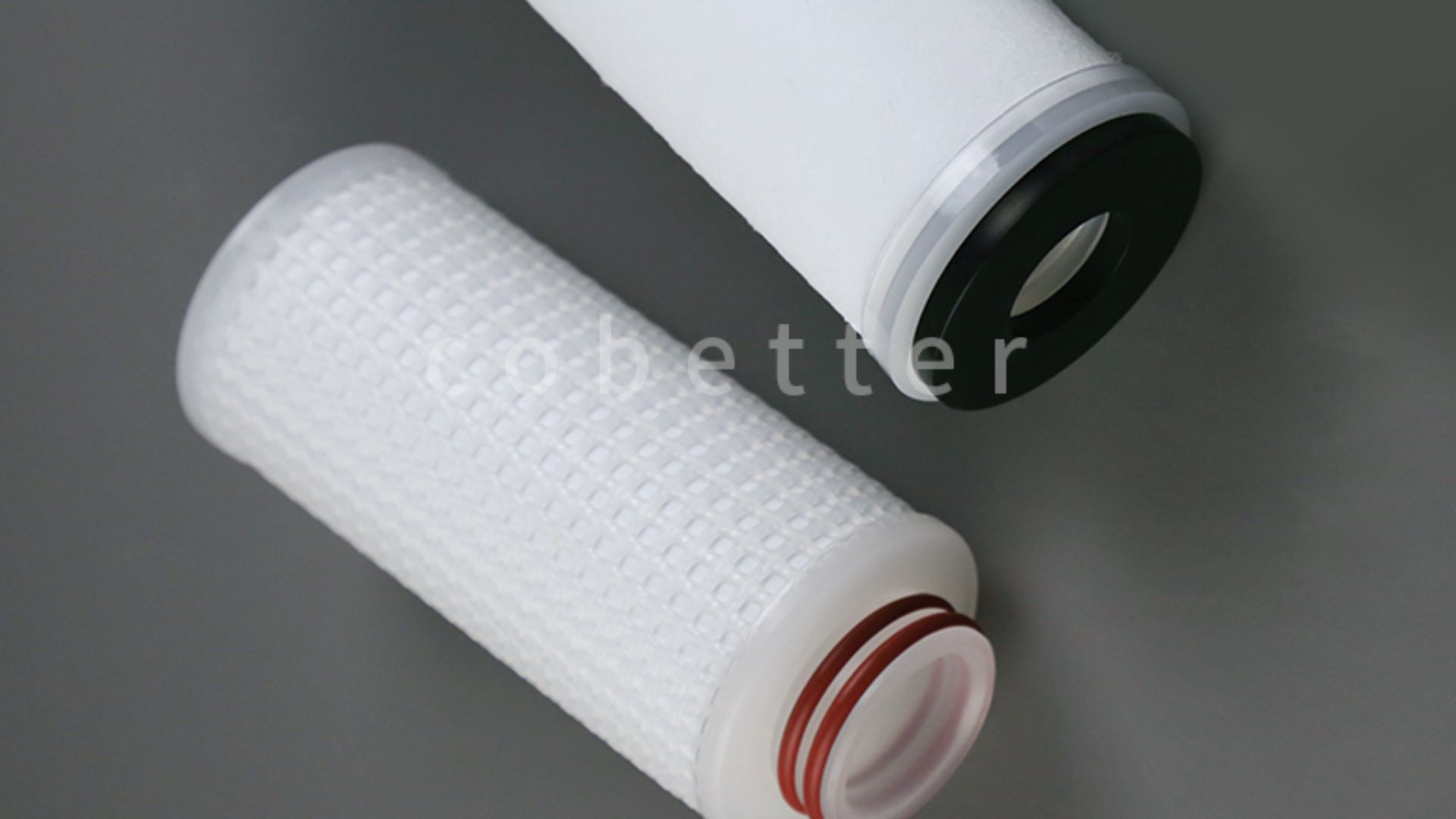
Membrane filtration offers a controlled, reproducible method to separate particles based on size and chemistry. Unlike depth filters, membrane filters act as a surface barrier, delivering consistent retention and predictable flow rates.
In practical terms, this means:
Higher analytical accuracy due to reduced sample interference
Improved sterility assurance in microbiological workflows
Better reproducibility across batches and experiments
For labs operating under ISO, GMP, or NATA-aligned frameworks in Australia, these benefits translate directly into compliance and cost efficiency.
Understanding Membrane Materials: Performance by Design
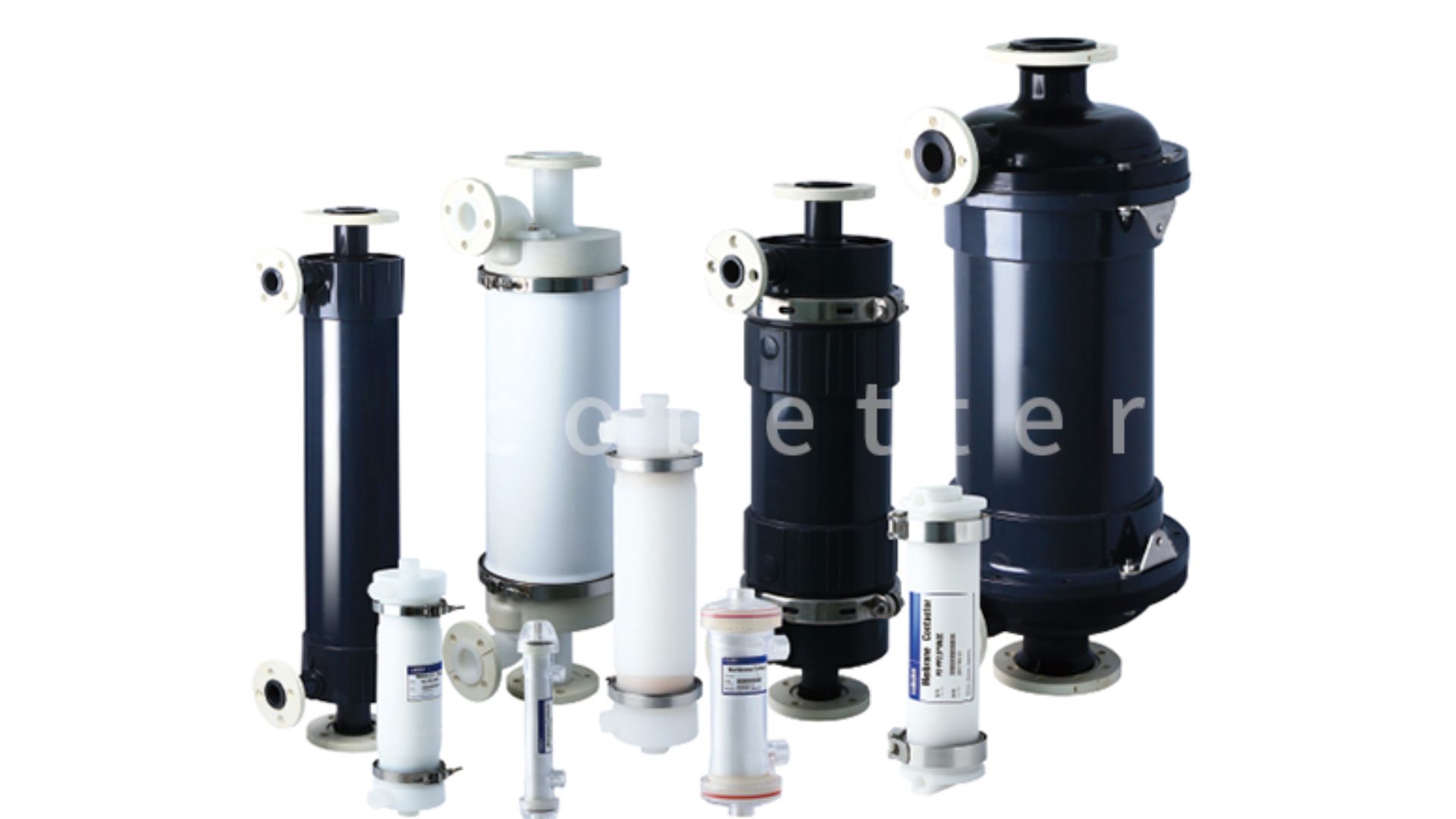
Not all membrane filters perform the same. Material selection directly impacts flow rate, binding characteristics, and chemical compatibility. The membrane portfolio available through Copure covers a wide spectrum of lab requirements.
1. Nylon Membranes
Naturally hydrophilic
High mechanical strength
Suitable for aqueous and organic solvents
Best for: General-purpose filtration, HPLC sample prep
2. PES (Polyethersulfone)
Low protein binding
High flow rates
Excellent for biological samples
Best for: Cell culture media, buffers, protein solutions
3. PTFE (Polytetrafluoroethylene)
Hydrophobic (can be treated for hydrophilicity)
Exceptional chemical resistance
Best for: Aggressive solvents, gas filtration
4. PVDF (Polyvinylidene Fluoride)
Low extractables
Broad chemical compatibility
Best for: Protein analysis, pharmaceutical filtration
5. MCE (Mixed Cellulose Ester)
High porosity and flow rates
Excellent microbial recovery
Best for: Microbiology and environmental testing
6. Polypropylene (PP)
Wide chemical resistance
Suitable for harsh conditions
Best for: Industrial and chemical filtration
7. Glass Fiber
Depth + surface filtration hybrid
High loading capacity
Best for: Pre-filtration of heavy particulate samples
The Role of Pore Size in Filtration Efficiency
Pore size determines what gets through—and what doesn’t. Standard options include:
0.45 μm: General particulate removal
0.22 μm: Sterilising-grade filtration
>1 μm: Pre-filtration or high-flow applications
In regulated environments, 0.22 μm filters are widely used for sterilisation, particularly in pharmaceuticals and life sciences. Their ability to retain bacteria aligns with global validation standards.
Beyond the Membrane: Why Filter Holders Matter
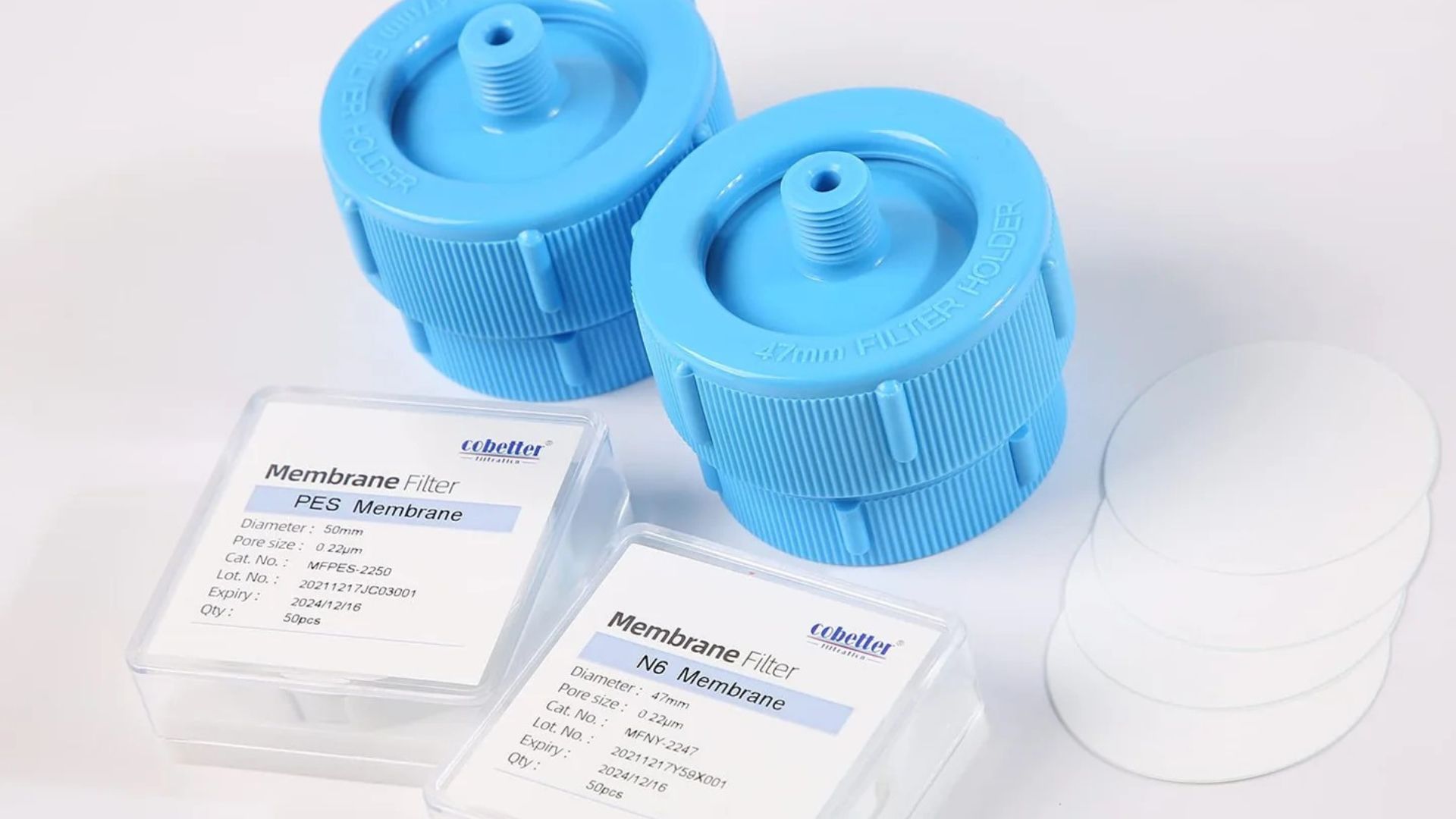
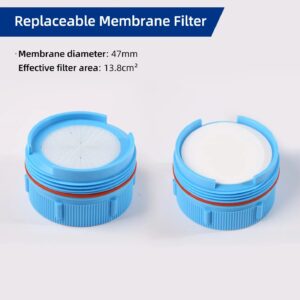
Even the highest-quality membrane filter underperforms without proper housing. This is where Copure’s Polypropylene Filter Holder for 47 mm membranes becomes essential.
Designed for both liquid and gas filtration, it transforms membrane discs into a scalable, reusable filtration system.
Key Advantages
Broad chemical compatibility due to polypropylene construction
Secure sealing with silicone O-ring: prevents leakage and contamination
Standardised connectivity via 1/4″ NPT threaded ports
Reusable design: reduces consumable costs over time
With an effective filtration area of 13.8 cm² and pressure tolerance up to 0.5 MPa, it supports both vacuum and pressure-driven workflows—making it suitable for demanding lab environments.
Real-World Applications Across Australian Labs
The versatility of membrane filters and compatible holders makes them indispensable across sectors:
1. Pharmaceutical & Biotech
Sterile filtration of media and buffers
Protein and drug formulation workflows
2. Environmental Testing
Microbial analysis of water samples
Particulate monitoring in air and liquids
3. Food & Beverage
Contaminant detection
Quality control in production lines
4. Academic & Research Labs
Sample prep for chromatography and spectroscopy
Cell culture and molecular biology workflows
Inline Filtration: A Growing Trend
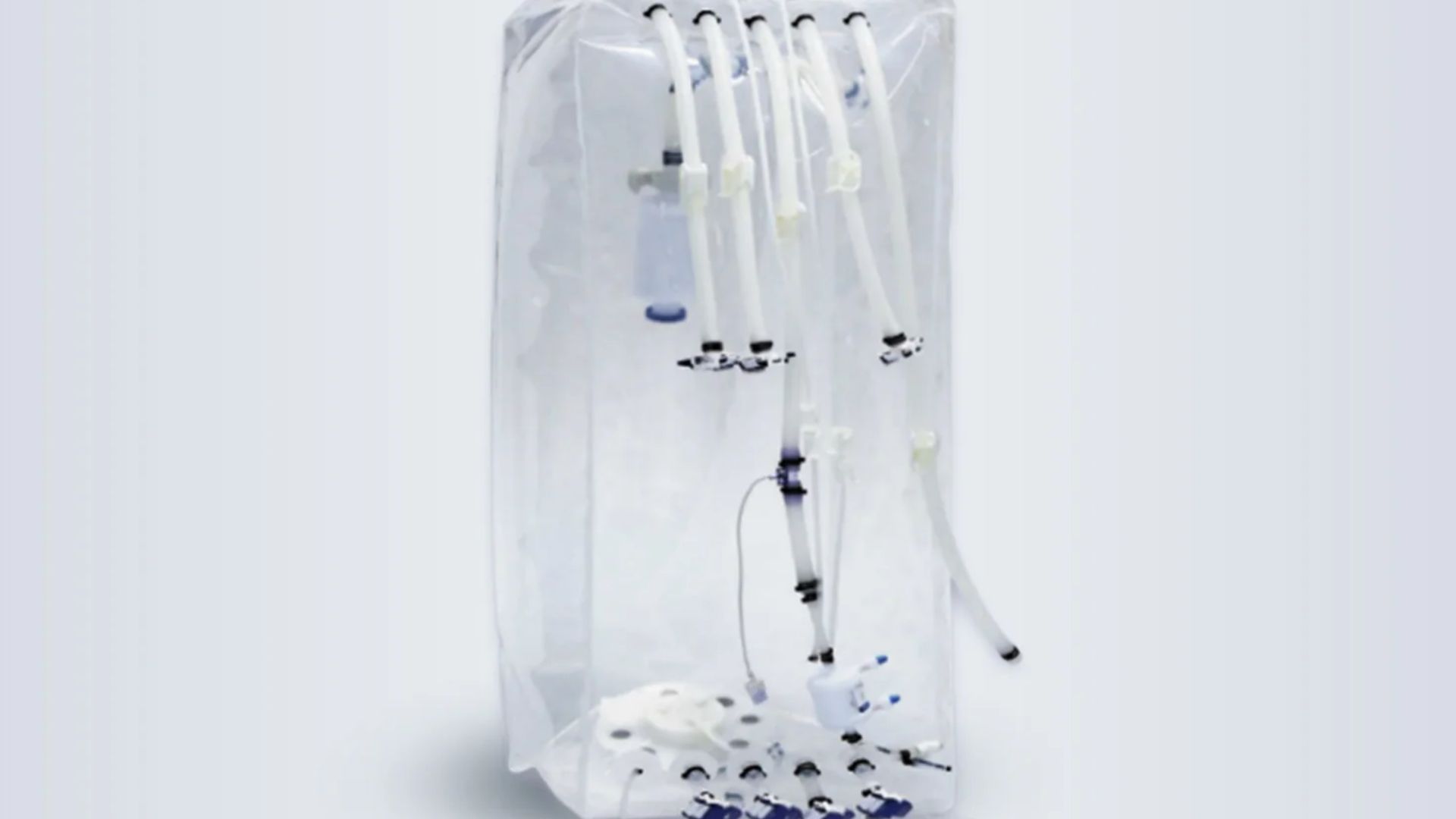
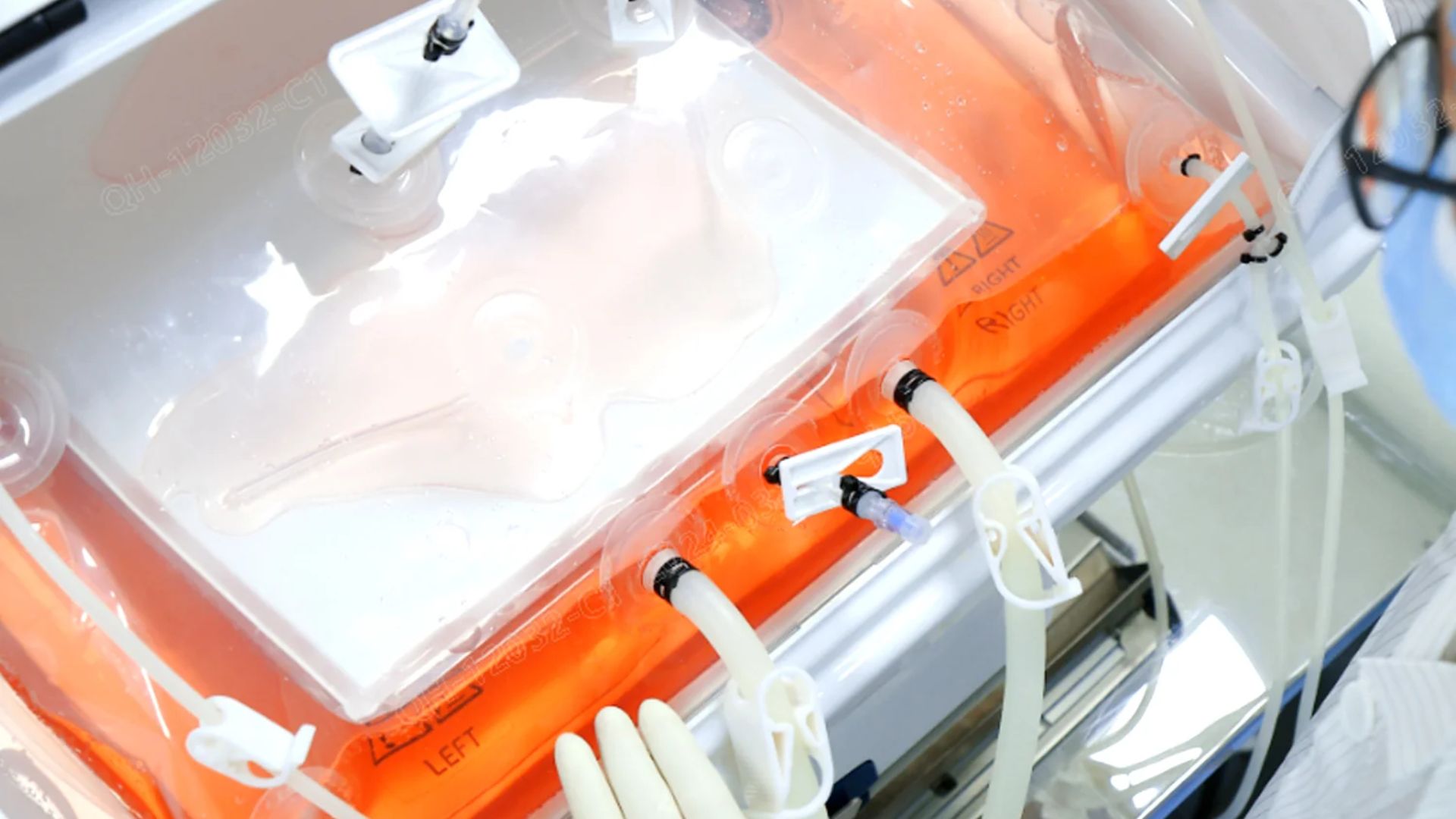
One notable shift in membrane filters Australia usage is the move toward inline filtration systems. Instead of filtering samples manually, labs are integrating filtration directly into process lines.
Copure’s PP filter holder supports this transition by enabling:
Inline sterile sampling without exposure to contaminants
Continuous filtration in closed systems
Improved workflow efficiency with minimal manual handling
This is particularly valuable in bioprocessing and industrial labs where scalability and sterility must coexist.
Key Selection Criteria: What Labs Should Prioritise
Choosing the right membrane filter system requires balancing multiple factors:
Chemical compatibility: Avoid membrane degradation
Flow rate requirements: Match membrane material and pore size
Sample type: Biological vs chemical vs particulate-heavy
Regulatory needs: Ensure compliance with relevant standards
System integration: Compatibility with holders and tubing
A mismatch in any of these can compromise results—or worse, invalidate them.
The Cost of Poor Filtration Choices
Suboptimal filtration doesn’t just affect results—it impacts the bottom line:
Repeated experiments due to contamination
Instrument downtime due to clogged systems
Increased consumable usage
Regulatory non-compliance risks
In contrast, investing in high-quality membrane filters and robust holders delivers measurable ROI through consistency and reduced waste.
Final Thoughts
As laboratories across Australia scale operations and adopt more stringent quality standards, filtration is becoming a strategic function—not just a technical one.
Copure’s range of membrane filters, backed by advanced material science expertise, provides the flexibility and reliability modern labs demand. When paired with durable solutions like the 47 mm polypropylene filter holder, they enable precise, efficient, and compliant workflows.
In the world of laboratory science, clarity isn’t optional—it’s engineered.
For Further Enquiry Contact- sales@copure.com.au