Australia’s wine industry exports over 60% of its production, making consistency, shelf stability, and visual clarity non-negotiable. From boutique wineries to large-scale producers, wine filtration in Australia has evolved into a precision-driven step—balancing microbial control with minimal impact on flavour and aroma.
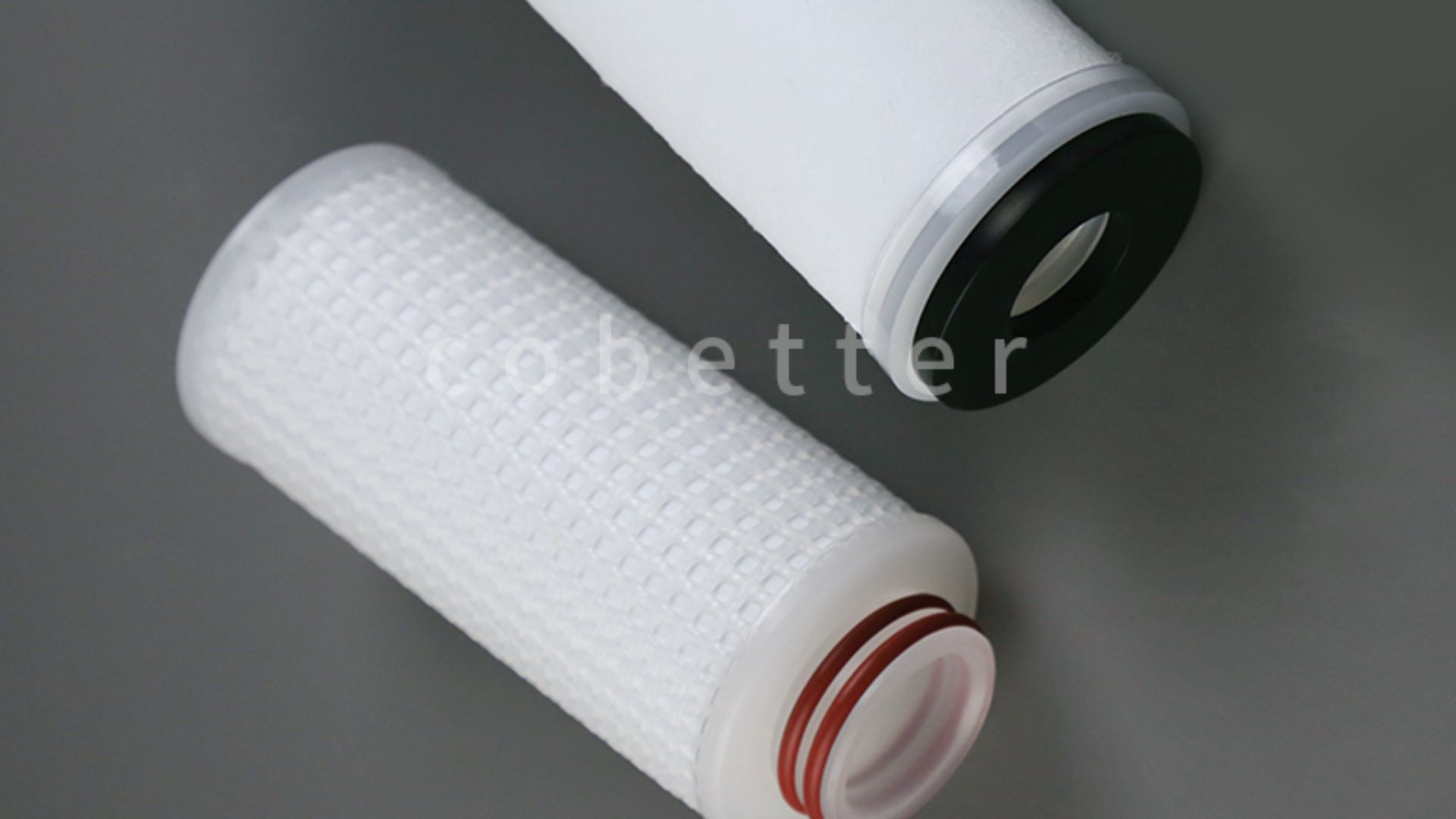
At the centre of this evolution are advanced depth-style cartridges like Copure’s BevClear GF Plus, engineered to handle colloids, yeast, and fine particulates without compromising throughput.
Why Filtration Is Critical in Winemaking
Filtration is not just about clarity—it directly impacts:
Microbial stability: preventing spoilage organisms
Colloidal stability: avoiding haze formation post-bottling
Shelf life: ensuring product integrity during storage and export
Aesthetic quality: a key consumer expectation
Unfiltered or poorly filtered wine can develop haze, sediment, or refermentation—leading to rejected batches and brand damage.
The Challenge: Complex Wine Matrices
Wine is a chemically complex fluid. Even after fermentation and clarification, it contains:
Yeast cells and residues
Proteins and polysaccharides
Polyphenols and tannins
Colloidal particles
Standard surface filters often clog quickly when exposed to such loads. This is why modern wine filtration in Australia increasingly relies on depth-based media with high dirt-holding capacity.
BevClear GF Plus: Built for High-Load Filtration
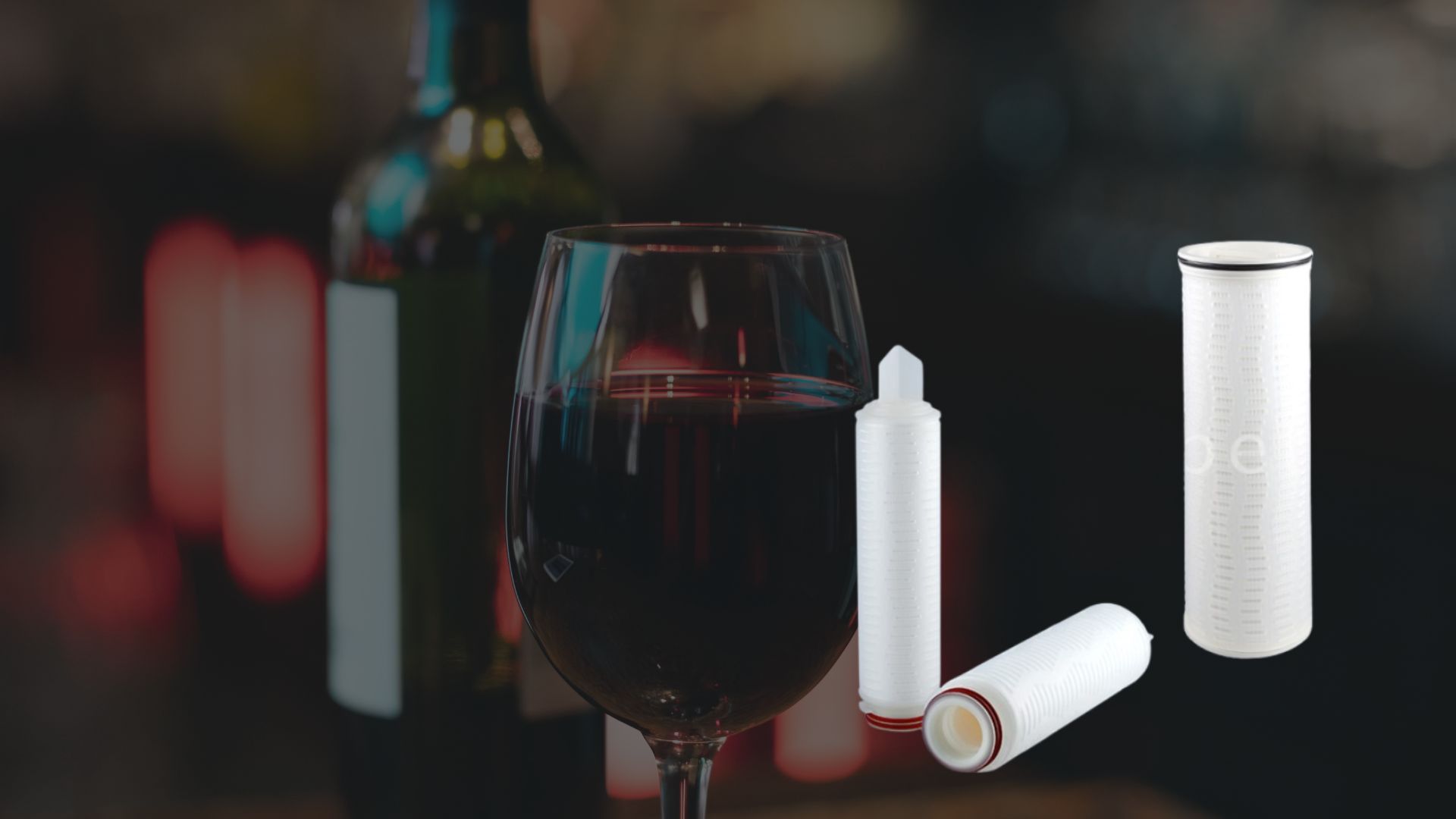
Copure’s BevClear GF Plus filter cartridges are designed specifically for beverage applications where particle load and clarity requirements are high.
What sets them apart?
They use positive Zeta modified glass microfiber media—a significant upgrade over conventional polypropylene filters.
This design delivers:
Electrokinetic attraction: captures negatively charged colloids more efficiently
Higher dirt-holding capacity: longer filtration cycles
Improved clarity: better removal of haze-forming compounds
Key Performance Advantages
1. Superior Colloid Removal
Colloids are one of the main causes of haze in wine. Traditional filters rely purely on size exclusion, but Zeta-modified media adds an electrostatic mechanism, improving capture efficiency.
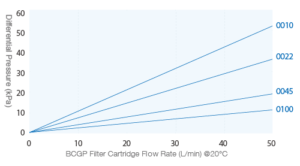
2. High Flow Rates with Low Pressure Drop
Maintaining flow is critical in production environments. BevClear GF Plus offers:
Smooth flow even under high particle load
Reduced energy consumption due to low pressure drop
Stable filtration performance across batches
3. Extended Service Life
With higher dirt-holding capacity, these cartridges:
Last longer before replacement
Reduce downtime
Lower operational costs
4. Strong Chemical Compatibility
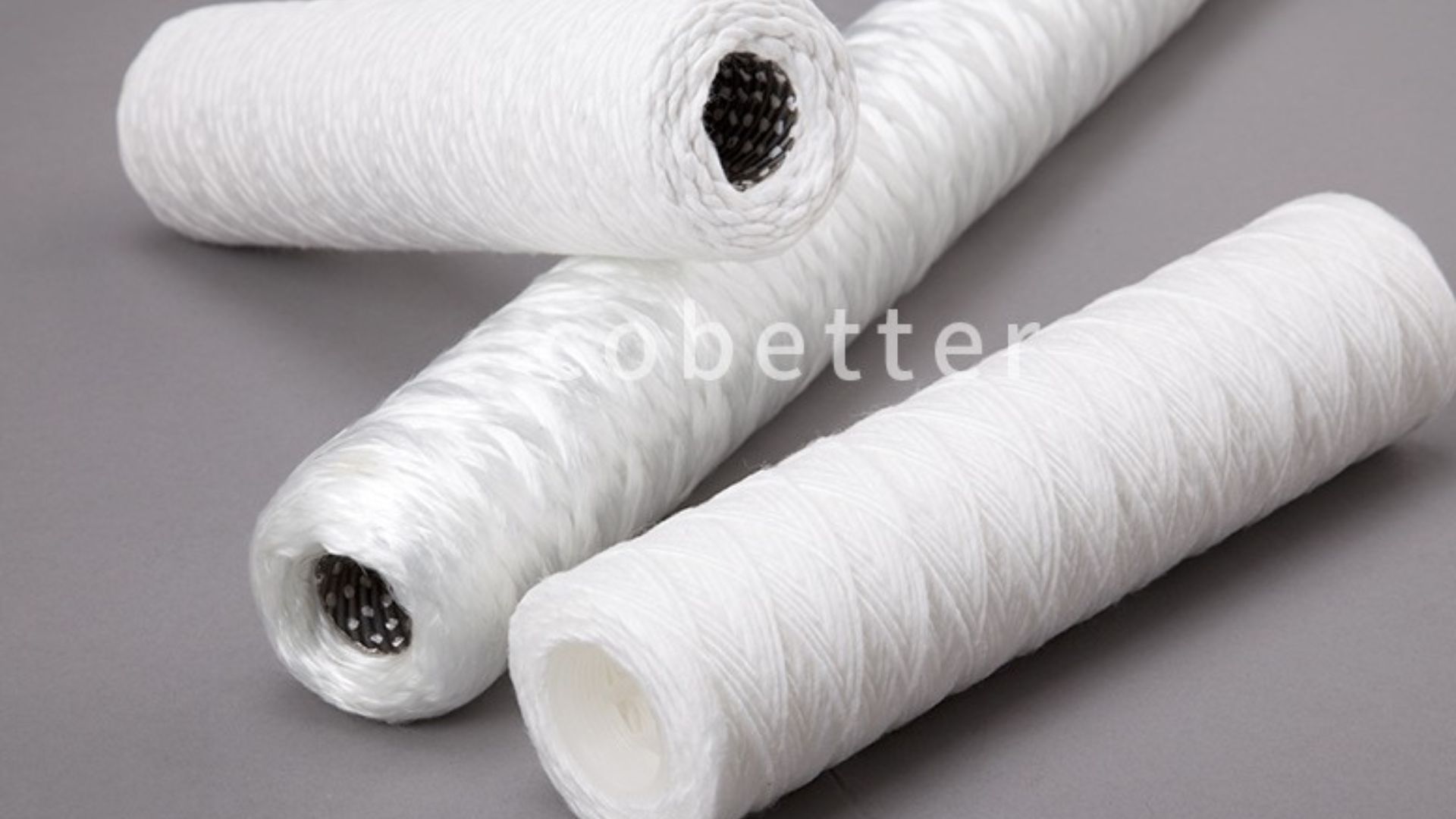
Constructed with glass microfiber media and polypropylene supports, the filters withstand common cleaning agents like:
2% NaOH solutions (≤ 65°C)
Hot water sanitisation cycles
Operating Performance: Built for Real Conditions
The cartridges are engineered for demanding winery environments:
| Parameter | Specification |
|---|---|
| Max Pressure | 6.9 bar at 25°C 4.0 bar at 60°C 2.4 bar at 80°C |
| Sterilisation Capability | Inline steam: up to 20 cycles at 125°C Hot water: up to 50 cycles at 85°C |
| Filtration Area | 0.26 m² per 10-inch cartridge |
These specifications allow wineries to scale filtration without compromising reliability.
Where BevClear GF Plus Fits in the Filtration Train
In a typical wine filtration process, multiple stages are used:
- Pre-filtration (coarse removal)
- Depth filtration (colloids & yeast reduction)
- Final membrane filtration (sterile filtration)
BevClear GF Plus operates most effectively in the depth filtration stage, acting as a critical bridge between coarse clarification and final polishing.
This positioning delivers measurable benefits:
Reduces load on final membrane filters
Extends membrane lifespan
Improves overall process efficiency
Data-Driven Impact on Winery Operations
Adopting high-performance depth cartridges can lead to:
2–4x longer filter life compared to standard polypropylene filters
Reduced filtration downtime by up to 30%
Lower cost per litre filtered due to fewer replacements
For large wineries processing thousands of litres per batch, these efficiencies translate into significant cost savings.
Applications Beyond Wine
While optimised for wine, BevClear GF Plus cartridges are equally effective in:
Beer and craft brewing
Spirits and distillation
Juice and beverage clarification
Any application involving colloidal haze or high particulate load benefits from this filtration approach.
Key Selection Considerations for Wineries
When choosing filtration systems in Australia, producers should evaluate:
Wine type: red, white, sparkling (different turbidity levels)
Desired clarity: aesthetic vs sterile filtration
Throughput requirements: batch size and production scale
Cleaning protocols: compatibility with CIP systems
Selecting the wrong filter can lead to flavour stripping, poor clarity, or high operational costs.
The Bigger Shift in Wine Filtration Australia
The industry is moving toward:
Fewer filtration steps with higher efficiency media
Reusable, cleanable cartridges instead of single-use systems
Integrated filtration trains that balance clarity and yield
Copure’s BevClear GF Plus aligns with this shift—delivering both performance and process efficiency.
Final Takeaway
In today’s competitive wine market, filtration is more than a finishing step it’s a quality safeguard. Advanced solutions like BevClear GF Plus provide wineries with the tools to achieve consistent clarity, microbial stability, and operational efficiency.
For producers navigating the demands of wine filtration in Australia, investing in high-capacity, Zeta-modified depth filtration isn’t just a technical upgrade; it’s a strategic advantage.
Because in winemaking, clarity isn’t just visual, it’s a mark of precision.
For Further Enquiry Contact- sales@copure.com.au