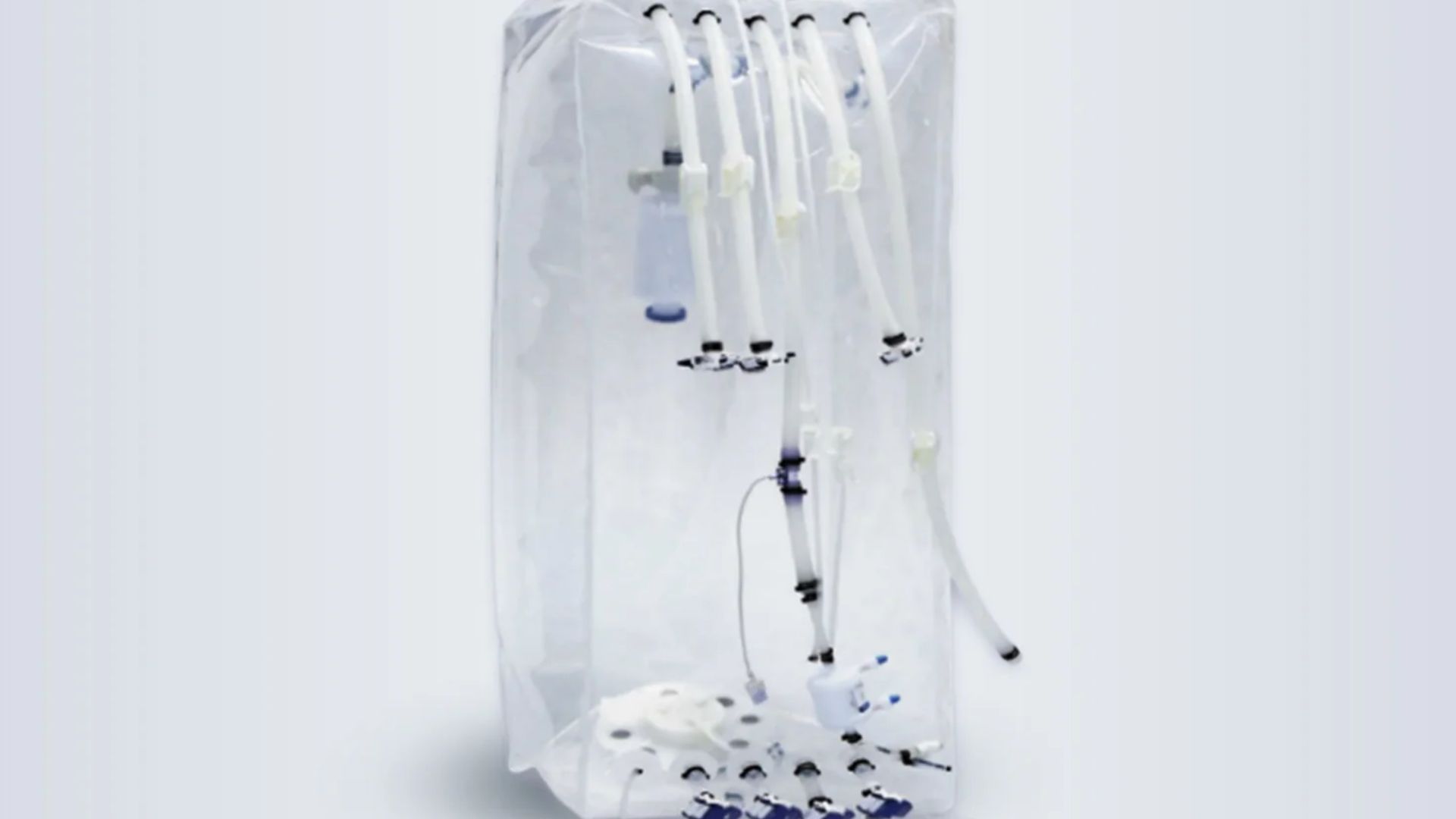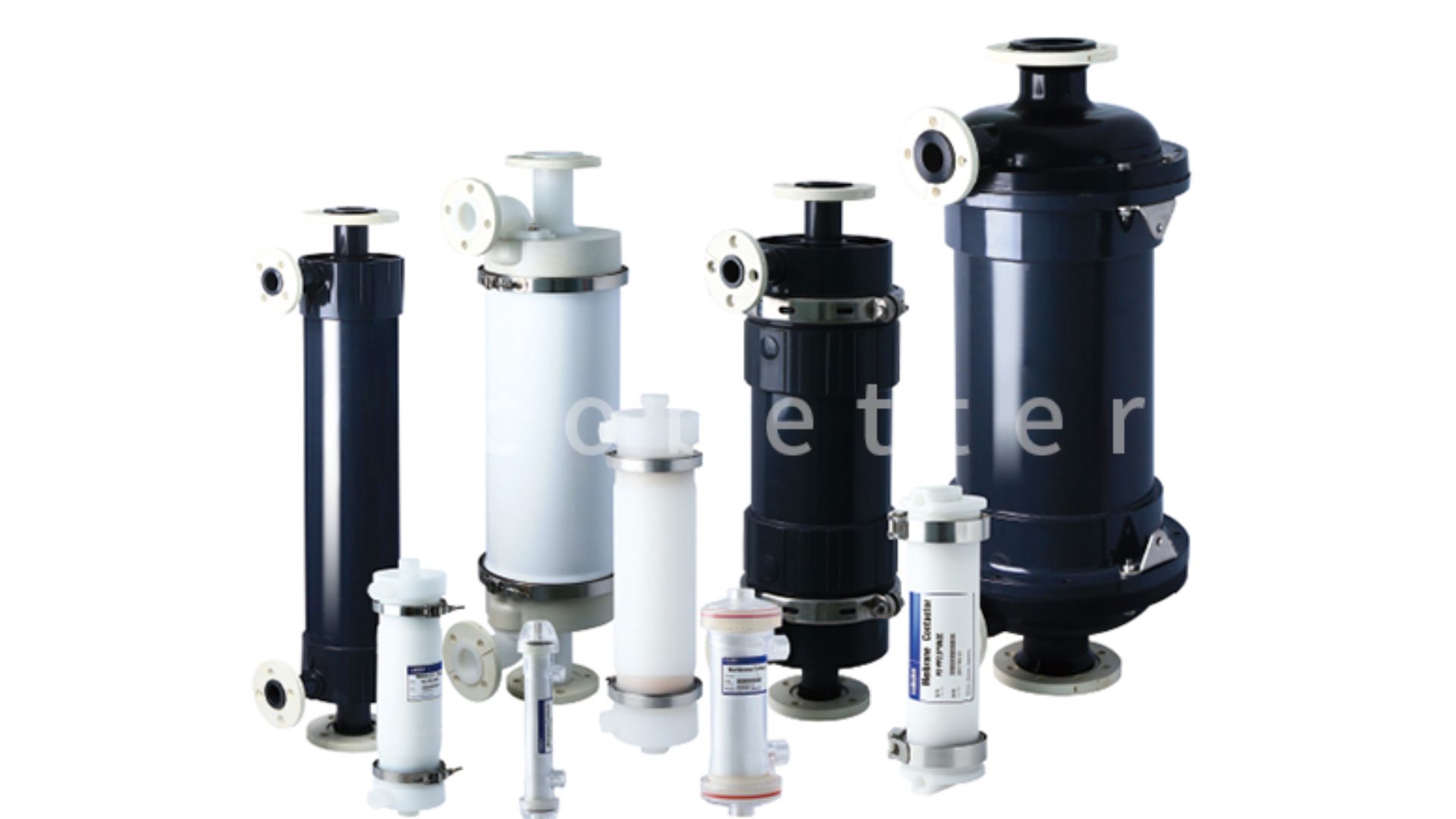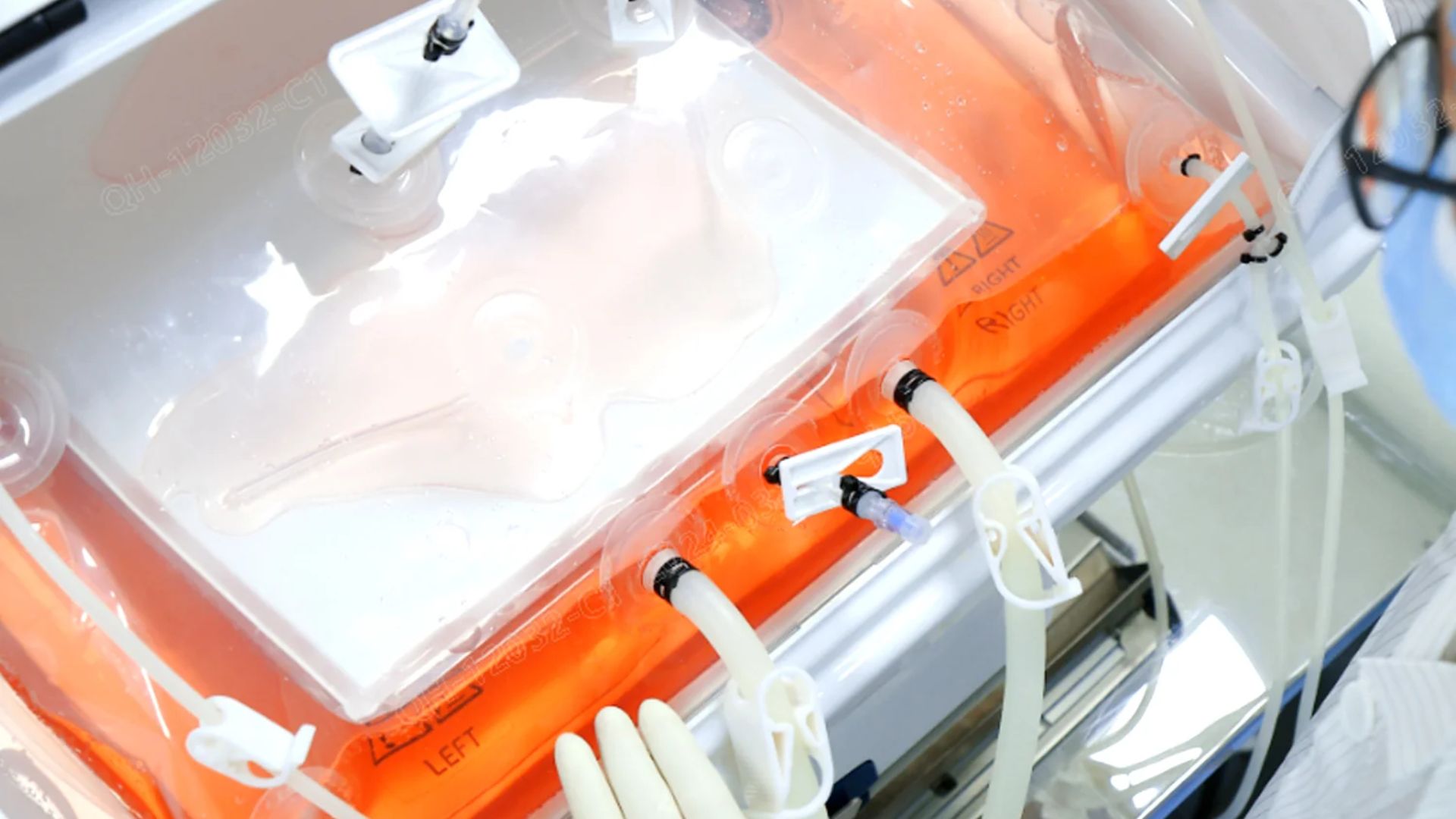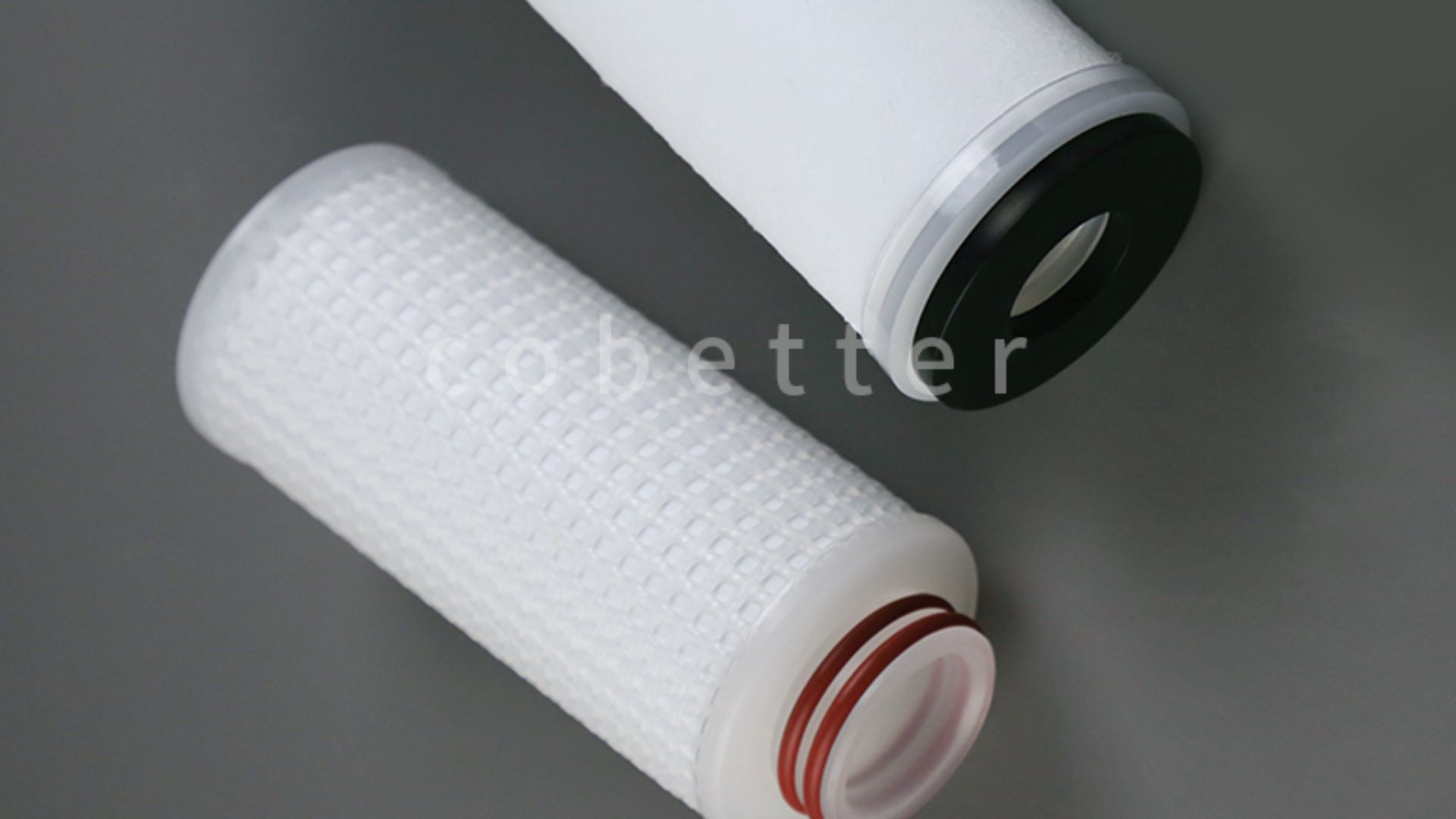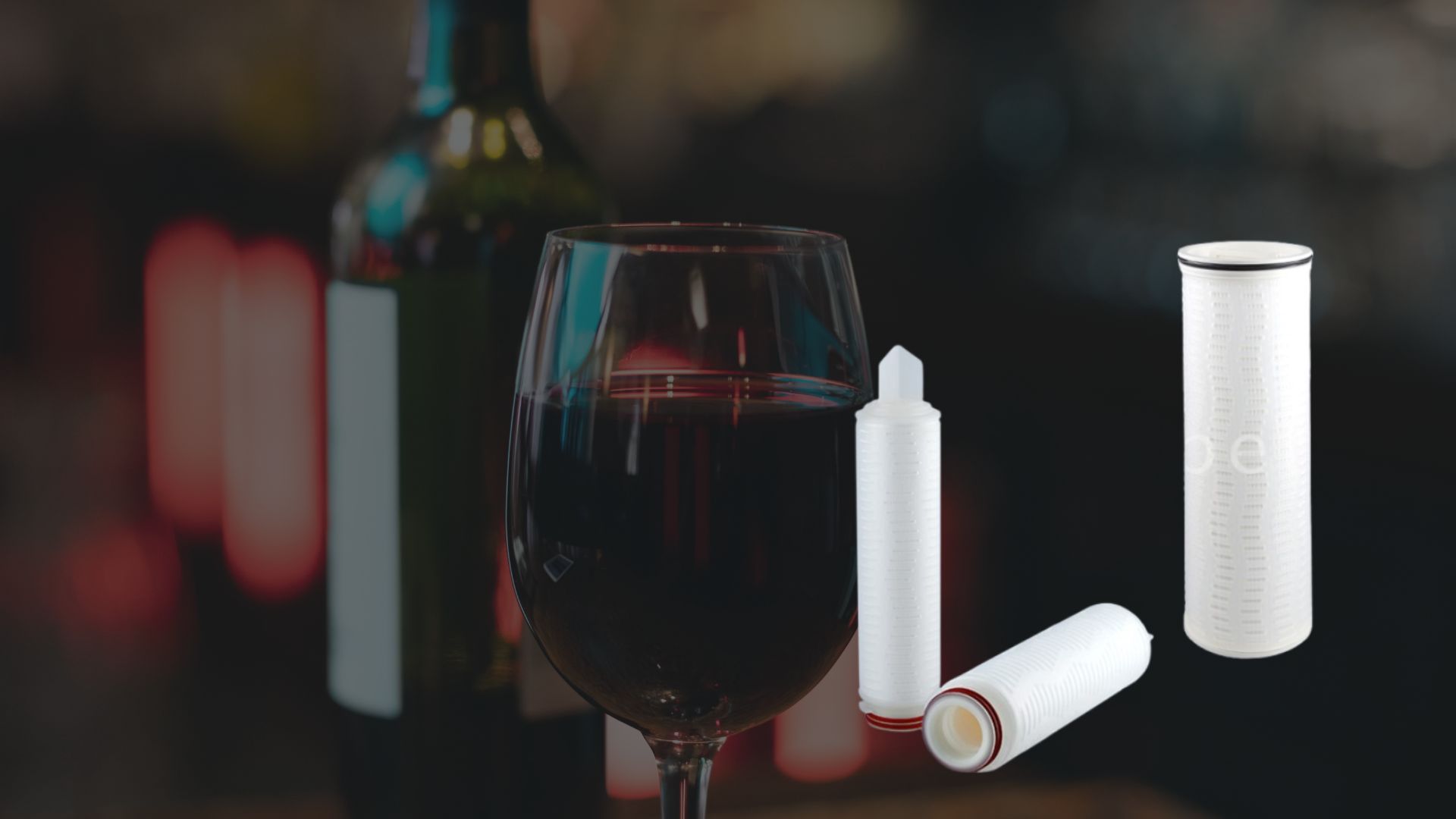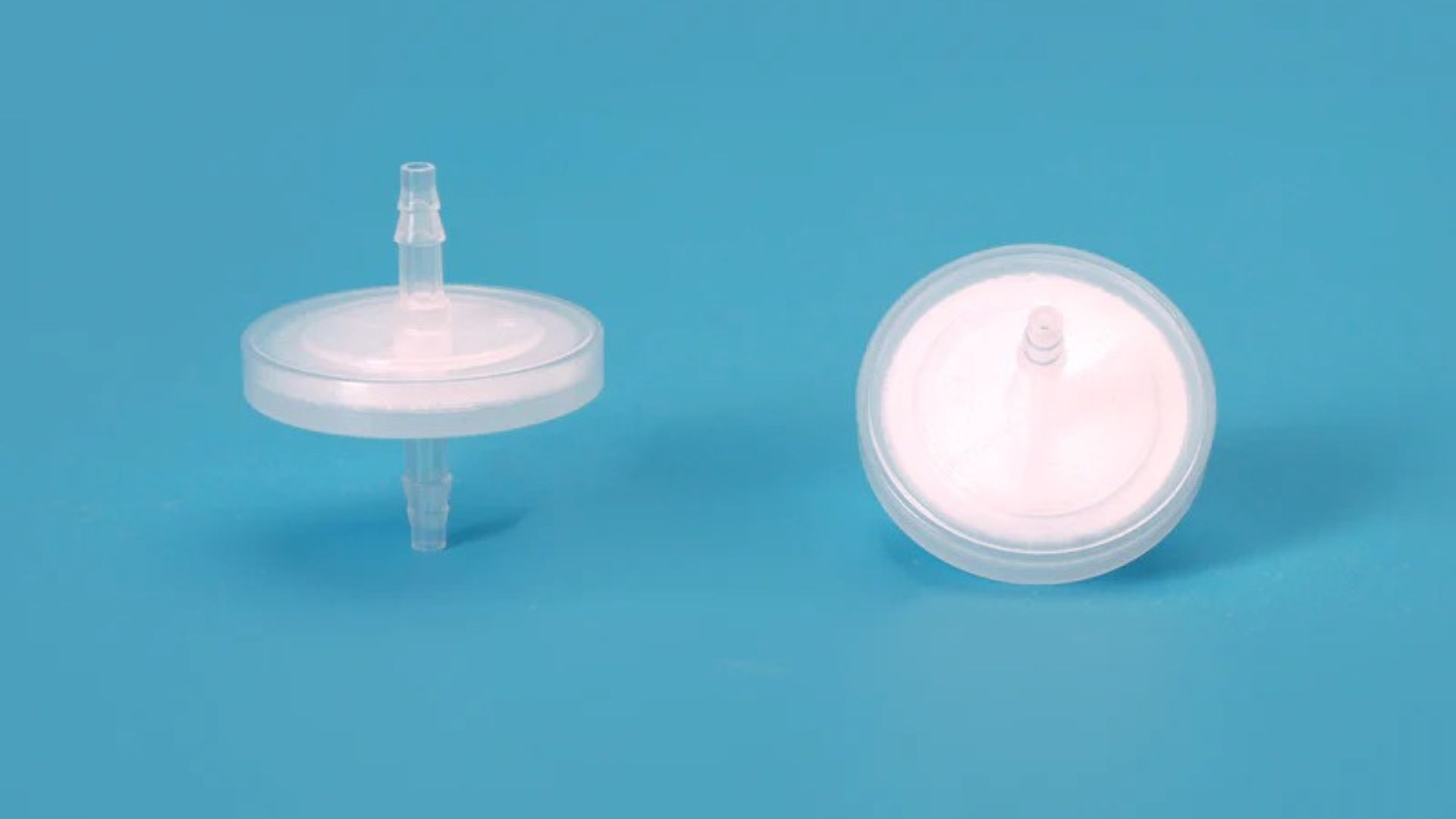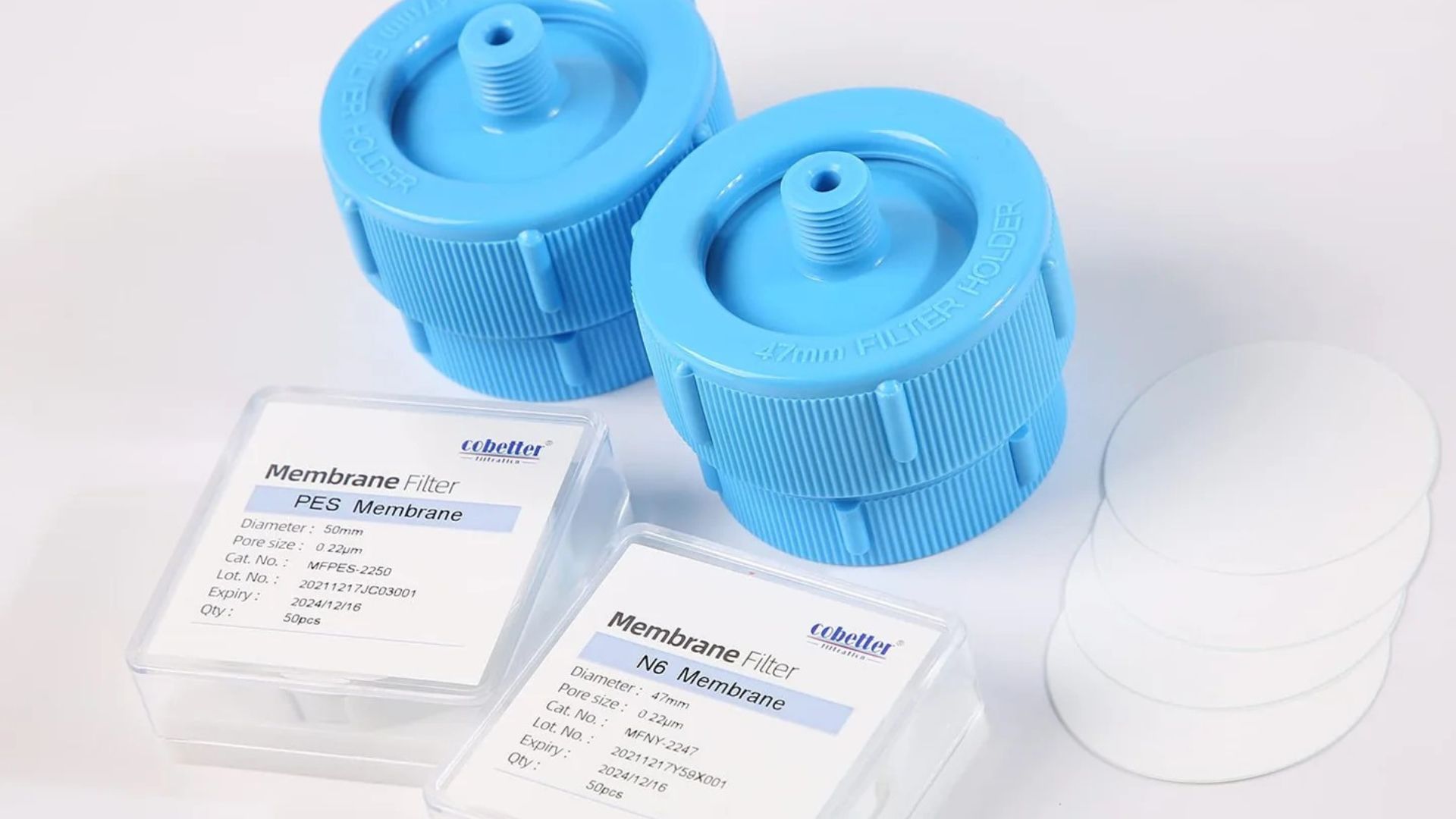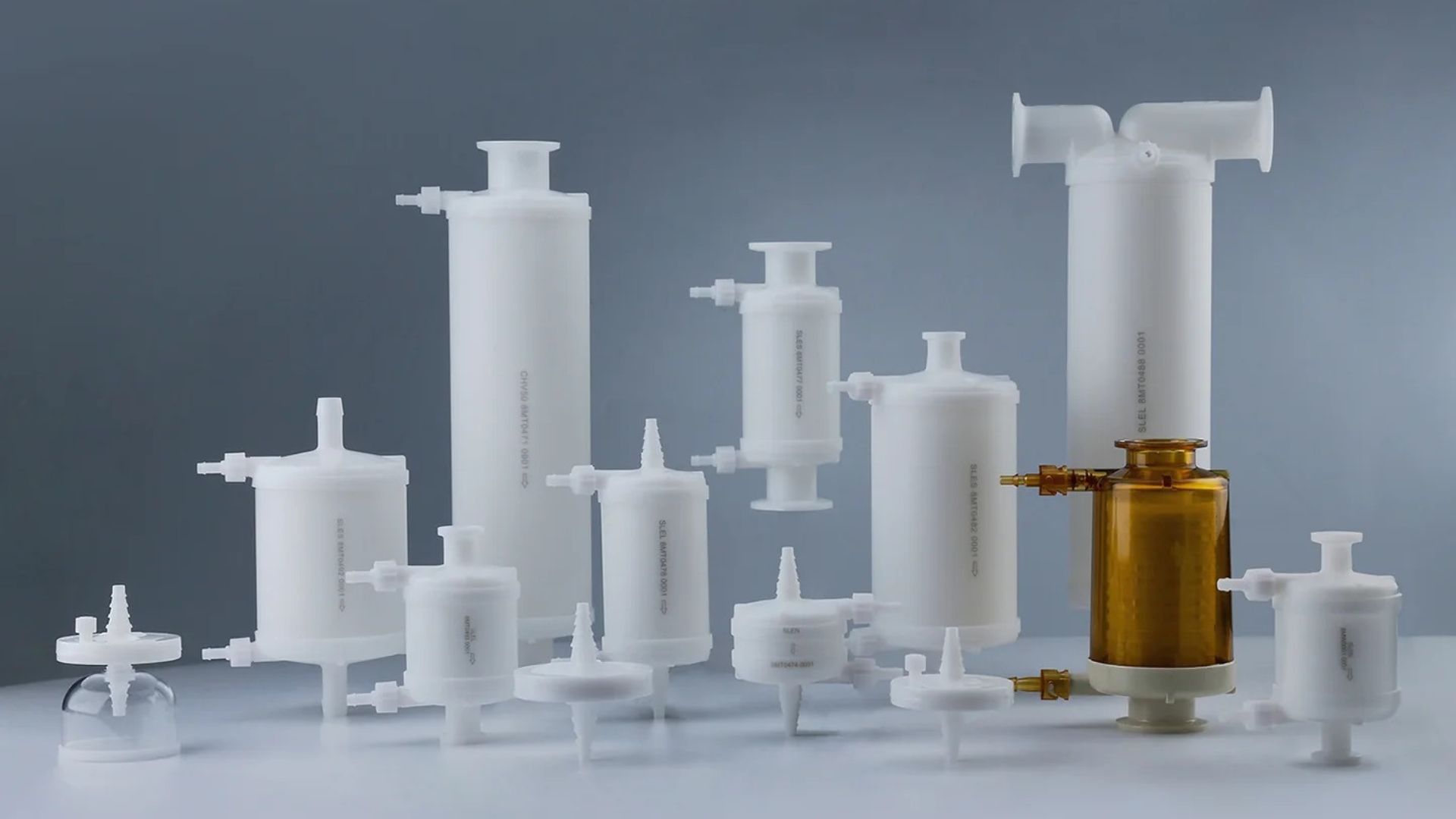
As bioprocessing, pharmaceuticals, and advanced research expand across the region, one challenge keeps resurfacing: how to efficiently clarify complex, particle-heavy fluids without sacrificing yield or throughput. This is where depth filters in Australia are becoming indispensable—quietly enabling high-capacity filtration in workflows that demand both precision and scale.
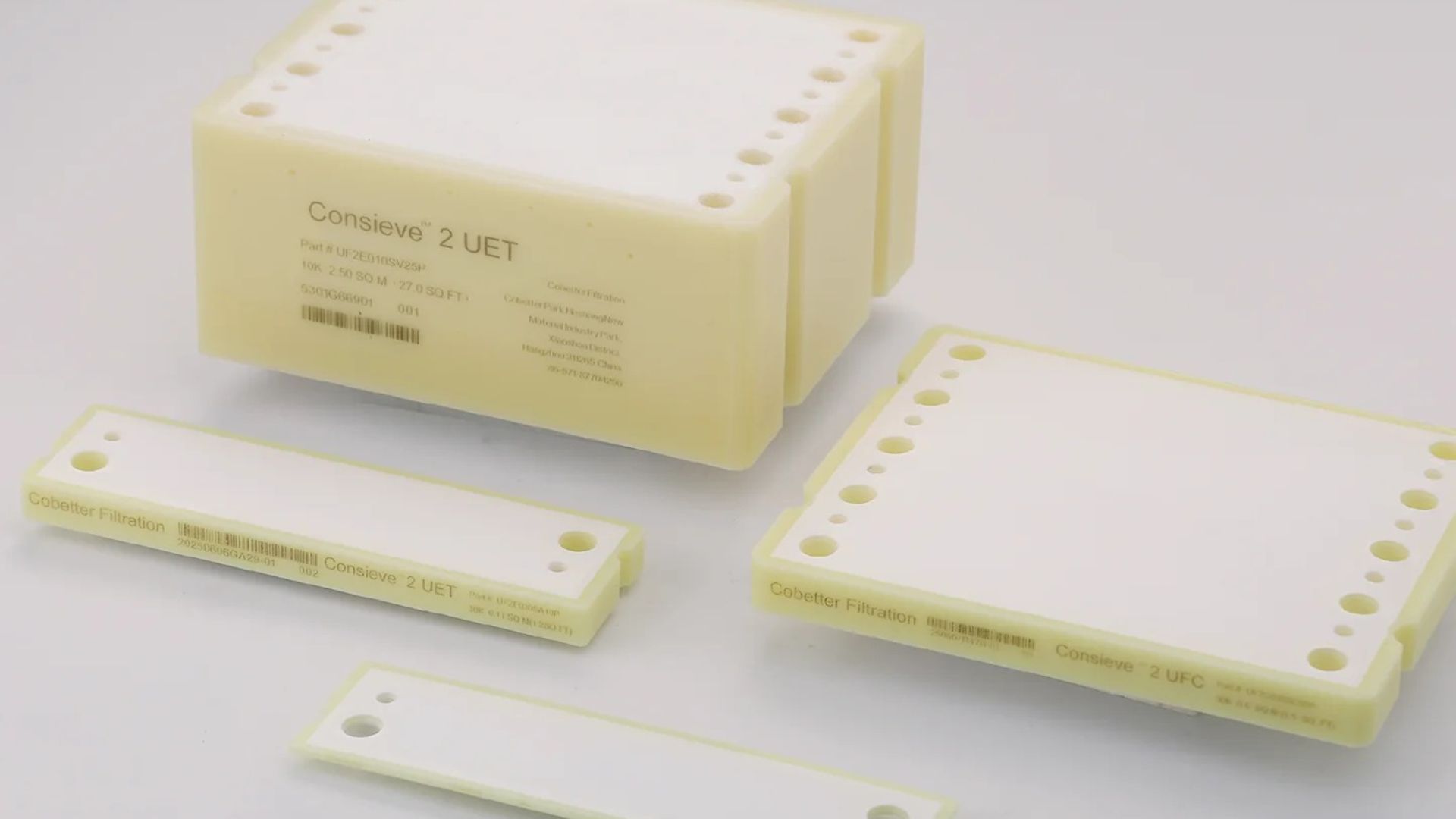
Unlike membrane filters that act as a surface barrier, depth filters work through a layered matrix—capturing particles throughout the filter structure. The result: higher dirt-holding capacity, longer service life, and improved process economics.
Why Depth Filtration Matters in Modern Labs
In real-world lab and production environments, samples are rarely “clean.” Fermentation broths, cell cultures, and viscous intermediates contain:
- Cell debris
- Colloidal particles
- Proteins and aggregates
Trying to process these directly through fine membrane filters often leads to rapid clogging, pressure spikes, and reduced throughput. Depth filtration solves this upstream.
What makes depth filters effective?
- 3D porous structure → traps particles across multiple layers
- Gradient density design → larger particles captured first, finer ones deeper inside
- High loading capacity → handles turbid feeds efficiently
For Australian labs scaling biologics or fermentation processes, this translates into fewer filter changes and more consistent batch performance.
The Science Behind Depth Filters
Copure’s depth filtration solutions—built on cellulose-based matrices—use an internally cross-linked three-dimensional structure. This architecture delivers:
- High dirt-holding capacity: extended filtration cycles
- Improved flow rates: reduced processing time
- Consistent retention efficiency: critical for downstream filtration
In advanced designs like the Excesal CHE Clarification Bricap T Series, performance is further enhanced with nanofiber-based inner layers, significantly increasing retention without compromising flow.
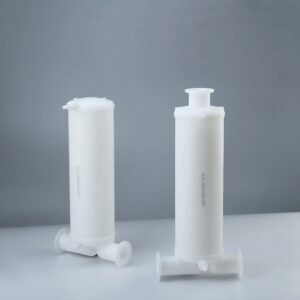
Excesal CHE Bricap T Series: Designed for High-Load Applications
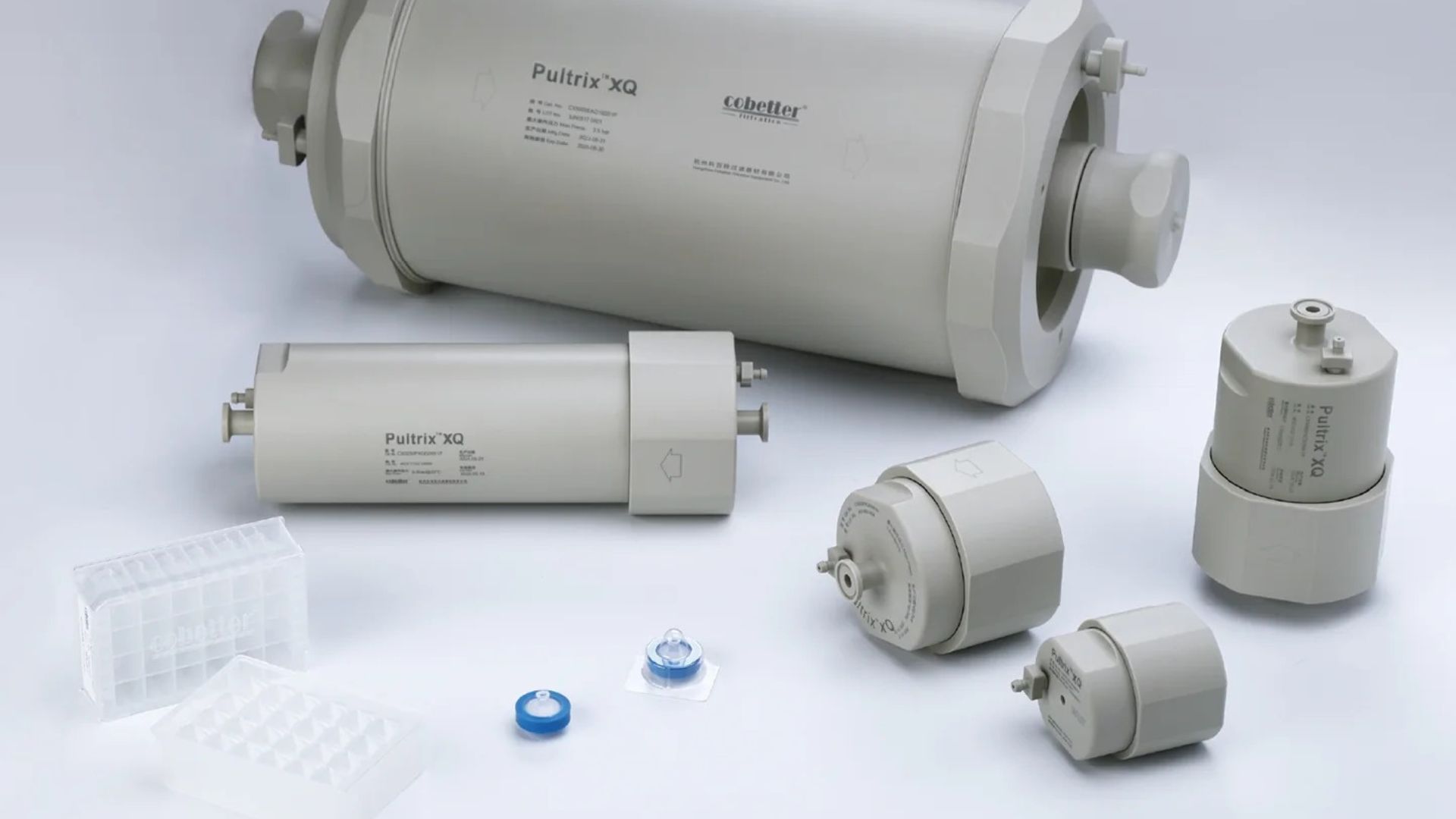
Copure’s capsule-based depth filters are engineered for scalability—from lab-scale trials to pilot and production environments.
Key Performance Metrics
| Parameter | Specification |
|---|---|
| Filtration Area Options | T10 → 0.36 m² T20 → 0.72 m² T30 → 1.08 m² |
| Operating Temperature | Up to 80°C |
| Forward Pressure Tolerance | 0.55 MPa at 25°C 0.10 MPa at 80°C |
| Autoclavable | Up to 20 cycles at 125°C |
This flexibility allows labs to match filtration capacity precisely with process scale, minimising waste and optimising cost per batch.
Key Design Features That Drive Efficiency
1. Dual-Layer Gradient Structure
The filter combines two layers with increasing precision. Larger particles are retained in the outer layer, while finer contaminants are captured deeper within—preventing premature clogging.
2. Nanofiber Inner Layer
Nanofibers significantly enhance retention efficiency, particularly for fine particulates and microbial load.
3. Polypropylene Construction
All major components, membrane, support, and housing are made from polypropylene, ensuring:
- Broad chemical compatibility
- Structural integrity under pressure
- Suitability for biopharma applications
4. High Dirt-Holding Capacity
Compared to standard filters, depth filters can process significantly higher particulate loads, reducing downtime and consumable usage.
Where Depth Filters Fit in Australian Workflows
The adoption of depth filters in Australia is accelerating across multiple sectors:
Biopharmaceutical Manufacturing
Depth filters are used for clarifying cell culture harvests before sterile filtration. This step is critical for protecting expensive downstream membranes.
Fermentation & Biotechnology
From microbial fermentation to enzyme production, depth filters remove biomass and particulates efficiently.
Blood Products & Serum Processing
Prefiltration ensures the removal of aggregates and contaminants before final sterilisation.
Food & Beverage Processing
Used in clarifying viscous liquids and colloidal suspensions without altering product quality.
Prefiltration: The Hidden Cost Saver
One of the most overlooked benefits of depth filtration is its role as a prefiltration step.
Without prefiltration:
- Sterilising-grade filters clog faster
- Flow rates drop
- Filter replacement costs increase
With depth filters:
- Microbial bioburden is reduced early
- Downstream filters last longer
- Overall, filtration costs decrease
Industry data suggests that effective prefiltration can extend membrane filter life by 2–5x, depending on feed conditions.
Compliance and Quality Assurance
For regulated industries, performance must be backed by compliance. Copure’s depth filters align with key standards:
- USP <788> → particulate control
- USP <85> → endotoxin limits (<0.25 EU/mL)
- USP <87> & <88> → biological reactivity
- ASTM F838 → bacterial retention validation (10⁷ CFU/cm²)
- FDA 21 CFR 177–182 → material safety
Additionally:
- Each filter includes a unique serial number for traceability
- Manufactured under ISO 9001:2015 quality systems
- Free from animal-derived components
This ensures suitability for pharmaceutical and life science applications where compliance is non-negotiable.
Sterilization Flexibility
Depth filters support multiple sterilisation approaches:
- Autoclaving: up to 20 cycles at 125°C (offline)
- Pre-sterilised options: autoclaved at 121°C and packed in breathable sterile bags
This flexibility allows labs to integrate filters seamlessly into existing sterilisation workflows.
Selecting the Right Depth Filter
Choosing the right solution depends on process-specific factors:
- Turbidity level: Higher turbidity requires a larger filtration area
- Viscosity: Thicker fluids benefit from gradient density filters
- Throughput requirements: Match capsule size to batch volume
- Regulatory needs: Ensure compliance with relevant standards
A mismatch can lead to bottlenecks, increased costs, or compromised product quality.
Final Takeaway
As laboratories and production facilities scale across the region, the role of depth filters in Australia is becoming increasingly strategic. They are no longer just a prefiltration step—they are a critical enabler of efficiency, consistency, and cost control.
Copure’s depth filtration solutions, including the Excesal CHE Bricap T Series, combine advanced material design with scalable formats—helping labs handle complex, high-load filtration challenges with confidence.
In modern filtration workflows, success isn’t just about removing particles—it’s about doing it efficiently, reliably, and at scale.
For Further Enquiry Contact- sales@copure.com.au