Across research, diagnostics, vaccine development, and biomanufacturing, cell culture success depends fundamentally on the quality of the basal medium used. One of the most widely adopted formulations worldwide—Minimum Essential Medium (MEM)—remains a cornerstone for scientists working with mammalian cells.
At CoPure, our MEM series provides a high-purity, consistent, and assay-ready medium designed for reproducibility across routine culture, virology workflows, and genetic expression research.
What Is MEM Basal Media?
Minimum Essential Medium (Eagle’s MEM) was developed by Dr. Harry Eagle and remains one of the oldest, most validated cell culture formulations. Its balanced nutrients make it ideal for many adherent mammalian cell lines, including:
- Fibroblasts
- Hela cells
- Vero cells
- BHK-21
- Primary embryonic cells
- Suspension variants, when supplemented appropriately
MEM contains carefully optimised concentrations of essential amino acids, vitamins, inorganic salts, glucose, and glutamine, providing cells with the fundamental building blocks to grow, divide, and metabolise effectively.
A Formulation Designed for Balanced Growth
CoPure’s MEM formulations incorporate:
Glucose – the primary energy substrate for rapidly dividing cells
L-Glutamine – crucial for nucleotide synthesis, protein turnover, and energy pathways
Earle’s Balanced Salt Solution (EBSS) – maintaining osmotic and ionic stability for CO₂-based incubators
Phenol Red – a reliable pH indicator
Optional Sodium Pyruvate – an auxiliary carbon source that enhances energy metabolism in metabolically stressed cells
NEAA (Non-Essential Amino Acids) options – improving growth in sensitive or nutrient-demanding cell lines
This range of variants allows researchers to select the medium composition that best fits their specific cell biology or bioprocessing needs.
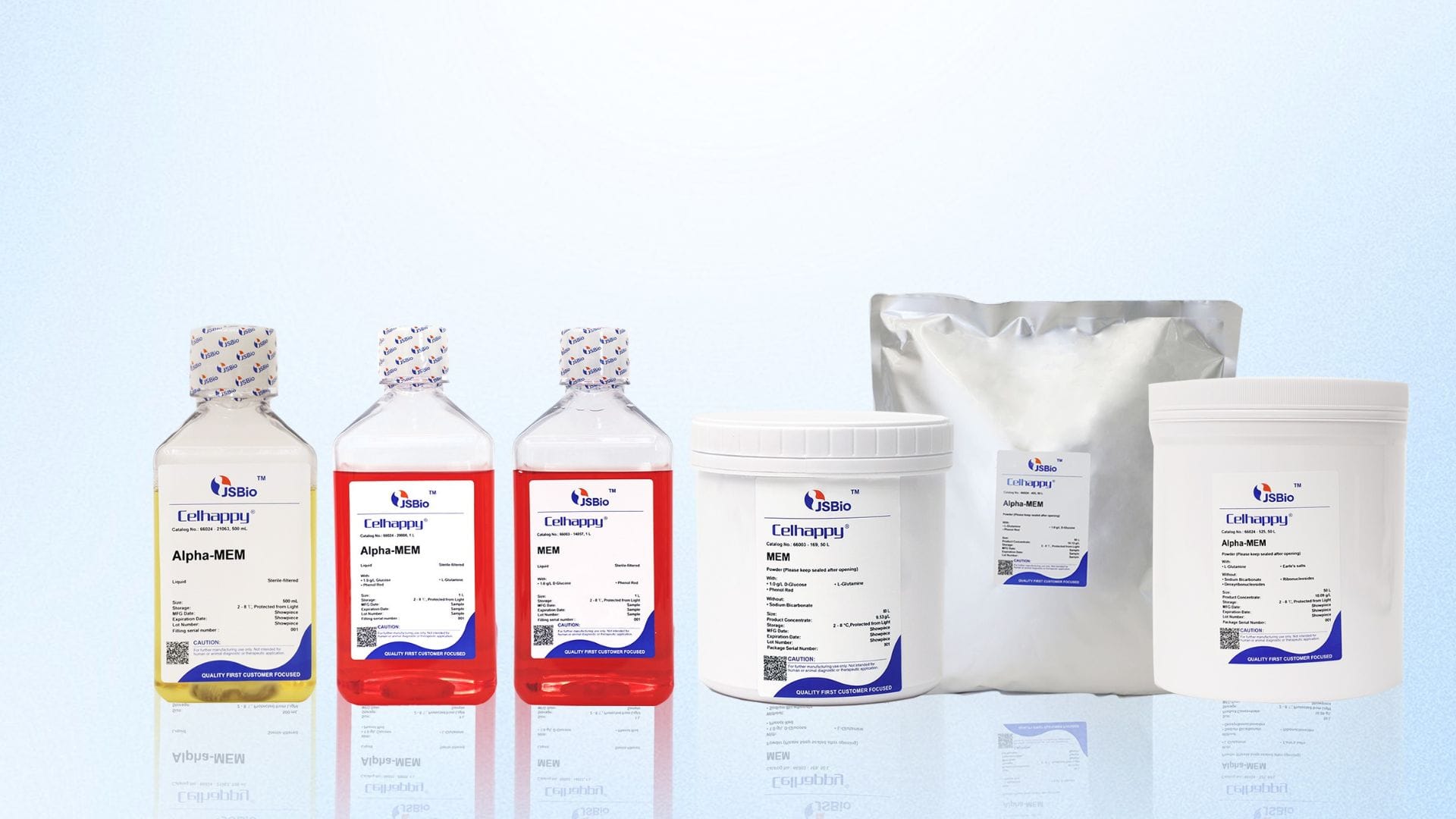
CoPure’s MEM Media Variants
To support Australian laboratories with flexibility and reliability, CoPure offers MEM in multiple formats and nutritional configurations:
MEM – Dry Powder or Liquid (With glucose, glutamine, phenol red, and Earle’s salts; Without sodium pyruvate)
An excellent standard formulation for a broad range of cell lines and routine culture.
MEM – Dry Powder (With glucose, phenol red, Earle’s salts; Without glutamine and sodium pyruvate)
Ideal for researchers who prefer to control glutamine levels manually—especially important in sensitive metabolic assays.
MEM, NEAA – Dry Powder or Liquid (With glucose, glutamine, phenol red, Earle’s salts; Without sodium pyruvate)
NEAA supplementation reduces the metabolic load on cells and improves protein synthesis efficiency.
MEM, NEAA – Dry Powder (With glucose and Earle’s salts; Without phenol red or sodium pyruvate)
Phenol red–free options are preferred for:
- Hormone testing
- Fluorescent imaging
- Estrogen-sensitive cultures
Alpha-MEM + Nucleosides – Dry Powder (With glucose, glutamine, phenol red, sodium pyruvate, NEAA, and Earle’s salts)
This enriched formulation supports:
- Rapidly dividing cell lines
- Mesenchymal stem cells
- Bone-derived cells
- Hybridomas
Alpha-MEM – Without Nucleosides (Dry powder or Liquid)
Allows researchers to supplement nucleosides independently based on experimental needs.
GMEM (Glasgow MEM)
A modified MEM enriched with glutamine and glucose—widely preferred for viral production, especially in BHK-21 and suspension cultures.
Why MEM Remains a Gold Standard in Cell Culture
Balanced Essential Nutrients
MEM focuses on the core metabolic needs of mammalian cells, supporting robust proliferation without oversupplementation.
Ideal for Cell Line Stability
Long-term passaging studies show MEM helps maintain stable morphology and consistent growth curves—a critical advantage for standardised research protocols.
Widely Validated in Virology
MEM is commonly used in:
- Vaccine production
- Viral vector research
- Cytopathic effect assays
- Neutralisation tests
Its predictable buffering and nutrient profile make it ideal for sensitive virus–host interaction studies.
Flexible Supplementation Options
MEM works seamlessly with:
- Fetal Bovine Serum (FBS)
- NEAA
- Sodium pyruvate
- HEPES
- Antibiotics and antifungals
This flexibility allows researchers to match media composition precisely to experimental requirements.
Applications of MEM in Australian Labs
Australian life-science and bioprocessing facilities rely on MEM for roles including:
- Routine adherent culture in research institutes
- Large-scale viral amplification in vaccine pipelines
- Cell-based assays in diagnostics
- Genetic transformation studies
- Toxicology evaluations
- QC testing in biopharma environments
With consistent performance across these varied applications, MEM continues to be a backbone medium for cell-based science.
How CoPure Ensures Reliable MEM Quality
Quality and reproducibility are essential for any basal medium. CoPure’s MEM media undergo strict quality control, including:
- pH and osmolality validation
- Sterility and mycoplasma screening
- Endotoxin analysis
- Batch-to-batch nutrient consistency
- Solubility and clarity testing
- Heavy metal and impurity control
These standards help Australian labs minimise variability and maintain reproducible cell culture outcomes.
Choosing the Right MEM Formulation
Use MEM without sodium pyruvate when:
- Cells generate sufficient endogenous pyruvate
- You want to avoid additional carbon sources
- Performing metabolic assays sensitive to TCA cycle intermediates
Use MEM with sodium pyruvate when:
- Cells are metabolically stressed
- Working with primary fibroblasts or epithelial lines
- Running viral infection assays that require strong energetic support
Choose NEAA-supplemented MEM for:
- Rapidly dividing cells
- Stem cells and hybridomas
- Improved protein expression
Choose phenol red–free MEM for:
- Fluorescent imaging
- Hormone response studies
MEM remains one of the world’s most trusted basal media, offering a stable, balanced and highly reproducible environment for mammalian cell culture. With CoPure’s enhanced quality systems, multiple formulation options and consistent performance across dry powder and liquid formats, Australian laboratories have access to a dependable medium tailored to research, diagnostic and biomanufacturing needs.
For Further Enquiry Contact- sales@copure.com.au